Hey fellow adventurers! Ever dreamt of a journey where every window view is a stunning, ever-changing landscape, transporting you through history and breathtaking beauty?
My latest passion project has been diving deep into train travel across Romania, and let me tell you, it’s truly a hidden European gem! Imagine yourself gliding through the dramatic Carpathian mountains, past ancient castles, and into picturesque villages where time feels like it’s delightfully slowed down.
While the country’s railways are currently undergoing exciting modern upgrades, there’s still an irresistible old-world charm that makes each ride feel wonderfully authentic and incredibly enriching.
If you’re yearning for an unforgettable, affordable adventure that offers both breathtaking vistas and genuine cultural immersion, you’ve definitely found it.
Ready to hop aboard? Let’s uncover all the insider secrets to planning your perfect Romanian train journey!
Booking Your Ticket to Transylvania and Beyond
Diving into the world of Romanian train travel might seem a little daunting at first, especially if you’re used to the sleek, hyper-modern systems in Western Europe. But trust me, it’s part of the charm! When I first started planning my trip, I quickly learned that while online booking is definitely an option, it isn’t always the most intuitive. The national railway company, CFR Călători, has a website, but sometimes I found myself scratching my head trying to navigate it. My best advice? Embrace the station experience! Heading directly to the ticket office, especially for regional trains or last-minute changes, was often the smoothest route. You’ll get a real feel for local life and, surprisingly, many of the agents speak at least some English, enough to help you snag the perfect seat. Don’t be shy about asking for advice on connections or the best class for a scenic route. It’s all part of the adventure, and I promise you, the small effort pays off hugely when you’re sipping coffee and watching the world go by from your window.
Understanding Train Types and Classes
Romania offers a few different train types, and knowing the difference can really shape your journey. You’ve got the InterRegio (IR) trains, which are the fastest and usually connect major cities. These often have different classes – 1st and 2nd – and sometimes even sleeper carriages for overnight trips. I personally found 2nd class on IR trains perfectly comfortable for most day journeys; it’s clean, has decent legroom, and is very budget-friendly. Then there are the Regio (R) trains, which are the local workhorses. These stop at virtually every station, are slower, and generally offer only 2nd class. They’re fantastic if you’re aiming for those smaller, off-the-beaten-path villages, but be prepared for a longer ride. I remember taking a Regio train from Sibiu to Brașov once, and while it took a bit longer, the views were absolutely incredible, and I got to see so much more of the countryside than I would have on a faster train. It’s all about matching the train type to your travel style and how quickly you want to reach your destination.
Navigating the CFR Călători Website
If you’re like me and prefer to have things sorted before you even arrive, tackling the CFR Călători website for online bookings is definitely an option. My initial attempts were, shall we say, a learning curve. The site, while functional, isn’t always the most user-friendly. You’ll typically need to input your departure and arrival stations, dates, and preferred class. A crucial tip I learned is to always double-check the station names; sometimes they’re listed slightly differently than what you might expect. For instance, Bucharest’s main station is “București Nord.” Once you find your desired train, you can usually select your seat, which I highly recommend for longer journeys, especially if you want a window seat for those stunning Carpathian views. Payment is usually straightforward with a credit card. Don’t forget to print out your e-ticket or save it on your phone; while inspectors can usually scan from a device, having a physical copy always gives me peace of mind, especially in areas with spotty internet. It saves so much hassle!
Embracing the Carpathian Express: Iconic Routes & Views
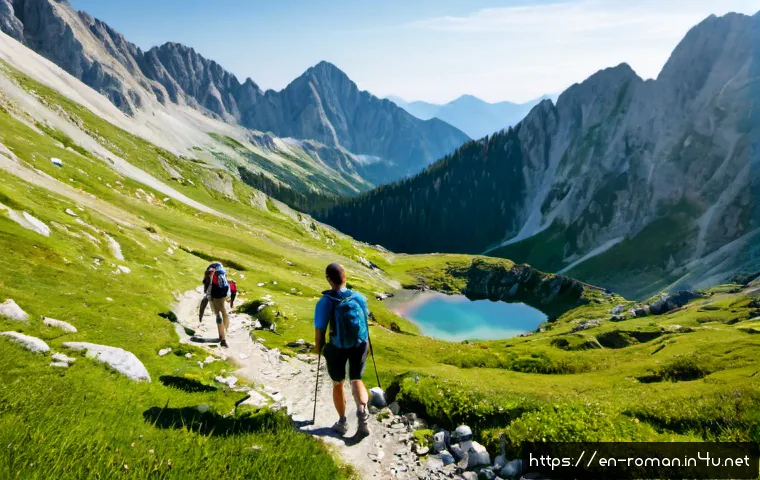
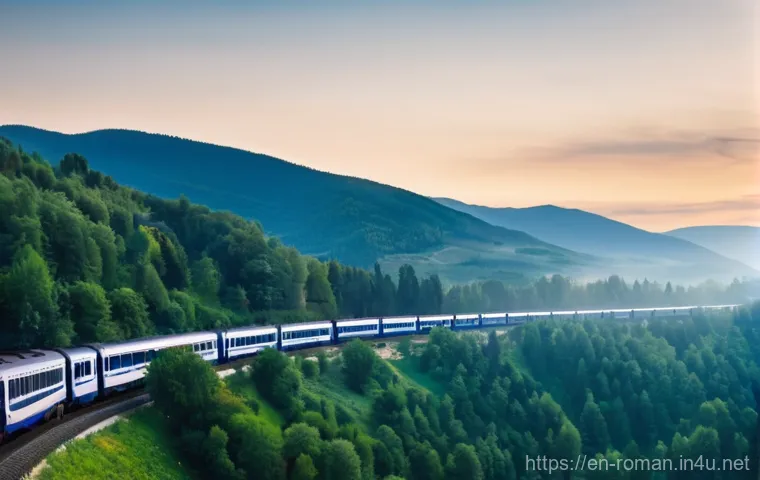
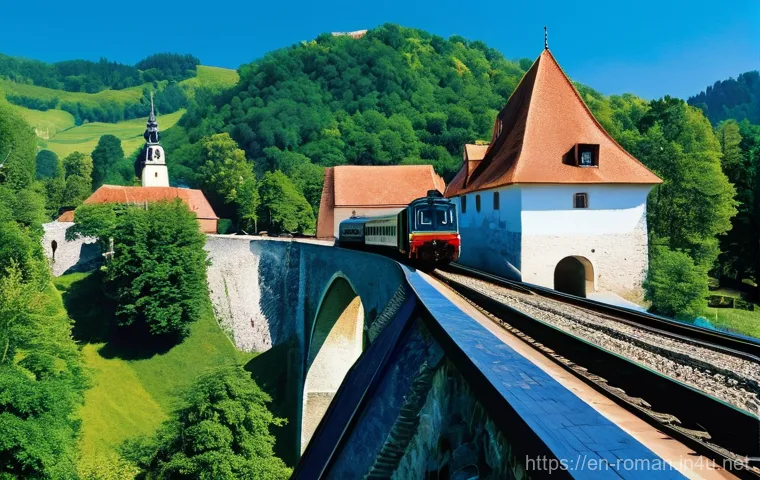
Oh, the views! This is where Romanian train travel truly shines. Forget cramped flights or monotonous highway drives; the train takes you on a cinematic journey through some of Europe’s most dramatic and untouched landscapes. My first ride through the Carpathian Mountains felt like stepping into a fairytale. The sheer scale of the peaks, the dense, ancient forests, and the occasional glimpse of a medieval castle clinging to a rocky outcrop – it’s just breathtaking. One route that absolutely blew me away was the one connecting Brașov to Sighetu Marmației. It’s a longer journey, but every single mile is a feast for the eyes. You’ll wind through valleys, cross impressive viaducts, and pass through tunnels that feel like they’re burrowing into the very heart of the mountains. It’s not just about getting from A to B; it’s about the entire experience of watching the landscape unfold before you. I actually found myself putting my book down for hours, just mesmerized by the changing scenery. If you only do one train journey in Romania, make it one that takes you deep into the Carpathians; you won’t regret it.
The Scenic Splendor of the Brașov to Sibiu Route
The journey from Brașov to Sibiu is often overshadowed by some of the longer, more epic routes, but let me tell you, it’s a hidden gem! This particular stretch is a perfect microcosm of what makes Romanian train travel so special. As you depart Brașov, you’re immediately treated to views of the surrounding mountains, often capped with a dusting of snow if you travel in spring or autumn. The train then meanders through charming Saxon villages, each with its distinctive fortified church standing proud amidst the homes. I remember passing through Făgăraș and catching a glimpse of its imposing fortress from the train window – it was such a cool, unexpected moment. The landscape shifts subtly from rolling hills to more open plains, punctuated by small farms and vibrant green fields. It’s a wonderfully gentle introduction to Transylvania’s heartland, offering just enough varied scenery to keep you captivated without being an overwhelming, all-day affair. Plus, both Brașov and Sibiu are incredible cities to explore, making this route an ideal leg in a broader Transylvanian adventure.
Venturing North: The Magic of Maramureș by Rail
If you’re looking for an experience that truly transports you back in time, then a train journey to the Maramureș region in northern Romania is an absolute must. This area is renowned for its unique wooden churches, traditional villages, and incredibly rich folk culture. The train journey itself to places like Sighetu Marmației or Vișeu de Sus is an integral part of the experience. It’s often a slower, more deliberate ride, but that’s precisely its charm. You’ll pass through pristine valleys, alongside rushing rivers, and occasionally see farmers still working their land with traditional methods. I recall seeing an old man on a horse-drawn cart waving at the train as we chugged by – it felt so authentic and heartwarming. This isn’t a high-speed adventure; it’s a slow immersion into a way of life that feels increasingly rare in modern Europe. For anyone keen on genuine cultural immersion and stunning, unspoiled natural beauty, making the effort to reach Maramureș by rail will reward you tenfold with unforgettable memories and a true sense of discovery. It’s an adventure that stays with you long after the journey ends.
Making Your Lei Go Further: Budgeting for Your Rail Journey
One of the absolute best things about exploring Romania by train, especially for us budget-conscious travelers, is how incredibly affordable it is. Seriously, your Lei stretch so much further here than in many other European countries! When I first looked at ticket prices, I almost did a double-take. You can cover significant distances for what feels like pocket change compared to what you’d pay for a similar journey elsewhere. This affordability really opens up possibilities, allowing you to string together multiple destinations without feeling like you’re breaking the bank. For instance, a long-distance journey that might cost you €50-€80 in Germany could easily be €15-€25 in Romania. It means you have more money left over for delicious traditional food, charming guesthouses, or those little handmade souvenirs that make perfect gifts. My advice? Don’t skimp on those slightly more comfortable 1st class tickets for longer hauls; the upgrade is often minimal in price but can make a big difference in comfort, especially if you’re traveling with luggage. It’s a small splurge that feels totally justified given the overall low cost of travel here.
Savvy Ticket Purchases: Online vs. Station
Deciding whether to buy your train tickets online or at the station can feel like a strategic choice, and honestly, both have their merits. For popular InterRegio routes, especially if you’re traveling on a weekend or during peak season, I found that booking online a few days in advance was a smart move. It guarantees you a seat and saves you the potential stress of a sold-out train. Plus, you can often pick your seat, which is a bonus for those coveted window views. However, for shorter Regio journeys or if your plans are a bit more fluid, buying at the station is perfectly fine. The queues are generally not too long, and it gives you flexibility. I once spontaneously decided to hop on a train to a small village I’d heard about, and buying the ticket five minutes before departure was no issue at all. Just be prepared with cash (Lei) at smaller stations, as card machines aren’t always available everywhere. And don’t worry if your Romanian isn’t fluent; pointing to your destination on a map or having it written down usually does the trick!
Maximizing Value with Rail Passes
For those planning an extensive tour of Romania or even combining it with other European countries, considering a rail pass could be a game-changer. While individual tickets are already super affordable, a Eurail Pass (if you’re a non-European resident) or an Interrail Pass (for European residents) that includes Romania might offer even better value, especially if you’re hitting multiple cities in a short span. I’ve heard from fellow travelers that for really intensive itineraries, the convenience of just hopping on and off trains with a pass can’t be beaten. It streamlines the whole process, letting you focus more on the adventure and less on constantly buying new tickets. Before you commit, though, do a quick calculation: estimate the cost of your planned individual journeys and compare it to the pass price. Sometimes, for a casual two or three-city trip, individual tickets might still be cheaper due to Romania’s low prices, but for a grand tour, a pass can definitely unlock incredible savings and flexibility. Always worth checking!
A Taste of History: Castles, Fortresses, and UNESCO Sites
One of the most thrilling aspects of train travel through Romania is how seamlessly it connects you to millennia of history. Seriously, you’ll be gliding past modern fields one moment, and the next, a formidable medieval fortress or a charming fortified church from centuries ago will suddenly appear. It’s like a living history book unfolding right outside your window! Romania is absolutely brimming with these historical treasures, many of which are easily accessible by train or a short bus ride from a major station. The country’s tumultuous past means there’s an incredible variety of architectural styles and stories to uncover, from the Roman ruins to the Saxon strongholds and Ottoman influences. I remember one journey where I was half-dozing, and then suddenly, there it was – a majestic castle, perched atop a hill, looking like something straight out of a fantasy novel. It was a complete wake-up call, a reminder that every turn of the tracks could reveal another piece of Romania’s captivating story. Don’t just look out the window; plan stops around these amazing sites!
Bran Castle and the Brașov Connection
Let’s be honest, for many, the allure of Romania conjures images of Dracula and his legendary castle. While Bran Castle might not be quite as spooky as the folklore suggests, it’s undeniably impressive and a must-see for anyone interested in medieval architecture and, of course, a good vampire tale! The best part? It’s incredibly easy to reach from Brașov, a fantastic city that’s a major hub for Romanian train travel. After a comfortable train ride into Brașov, you can easily catch a local bus or taxi for the short trip to Bran. I remember being so excited to finally see it in person after reading so much about it. The castle itself is beautifully preserved, and wandering its ancient halls really sparks the imagination. It’s not just about the Dracula connection either; the views from the castle battlements are stunning, offering panoramic vistas of the surrounding Transylvanian landscape. It’s a perfect example of how train travel sets you up perfectly to explore Romania’s iconic historical landmarks with ease and convenience.
Exploring the Saxon Fortified Churches by Rail
Beyond the grand castles, Romania holds a truly unique treasure: the Saxon fortified churches of Transylvania, many of which are UNESCO World Heritage Sites. These architectural marvels are scattered throughout the countryside, and a train journey is an ideal way to visit several of them, particularly if you’re prepared for a little local exploration. Towns like Sighișoara, another UNESCO site and one of Europe’s last inhabited medieval citadels, are directly accessible by train. From there, you can often find local buses or even hire a driver for a day to explore the surrounding villages like Biertan or Viscri. I found it utterly fascinating how each church had its own unique defenses, from massive walls to intricate gatehouses, all designed to protect the local community from invaders centuries ago. Stepping inside these ancient structures, with their centuries-old frescoes and quiet courtyards, feels like a journey through time. It’s a profound experience, and the gentle pace of train travel perfectly complements the discovery of these often-overlooked historical gems.
Onboard Life: What to Expect from Your Romanian Train
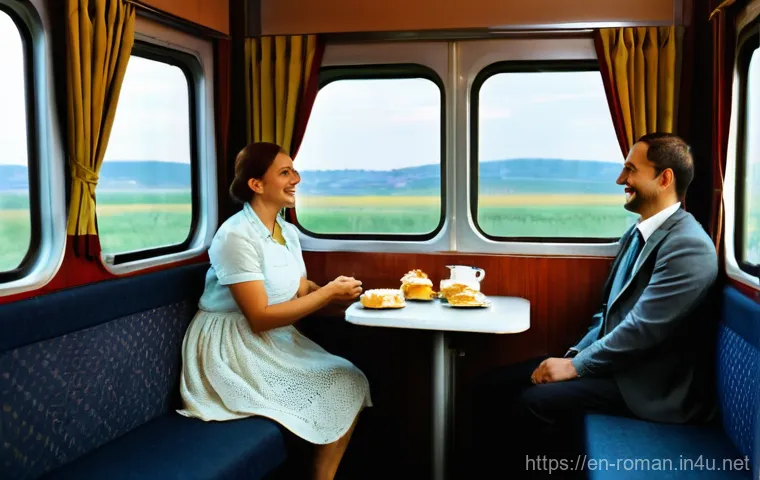
So, you’ve booked your ticket and you’re ready to roll! What’s it actually like once you step onto a Romanian train? Well, it’s an experience, that’s for sure. For starters, don’t expect bullet trains or hyper-modern interiors on every route. While there are newer carriages being introduced, especially on InterRegio lines, you’ll still find plenty of trains that exude a wonderfully old-school charm. Think plush, slightly worn seats, often with crisp white antimacassars, and sometimes even curtains on the windows. It’s a distinctly European experience, reminiscent of train travel from decades past, and I absolutely adore it. There’s a certain rhythm to it – the gentle sway, the clatter of the wheels, the occasional whistle. It’s a chance to truly disconnect and watch the world go by. Don’t be surprised if your carriage is bustling with locals chatting, sharing snacks, or simply enjoying the journey. It’s a very social way to travel, and I’ve had some really lovely, albeit brief, conversations with fellow passengers, often communicated through a mix of gestures and broken English. Always adds to the adventure!
Food, Drinks, and Amenities
When it comes to food and drink onboard, you might find a bit of a mixed bag. On longer InterRegio routes, especially those connecting major cities, you might find a small bistro car or a vendor pushing a cart with drinks, snacks, and sometimes even basic hot meals. I’ve had surprisingly decent coffee and pastries this way. However, I always recommend coming prepared with your own provisions, especially for shorter Regio journeys where amenities are usually non-existent. Pack some delicious Romanian pastries (covrigi are my absolute favorite!), a bottle of water, and maybe some fruit. It makes the journey much more enjoyable, and you can truly lean into that relaxed, old-world train travel vibe. Restrooms are generally available on all train types, though their condition can vary, so carrying hand sanitizer is always a good idea. Power outlets can be a bit hit-or-miss, so if you absolutely need to charge devices, a portable power bank is your best friend. My personal approach is to embrace the simplicity and enjoy the ride without expecting all the modern bells and whistles.
Connecting with Fellow Travelers
This is where the magic of Romanian train travel truly comes alive for me. Unlike more reserved cultures, Romanians are often incredibly friendly and open, and the train carriage becomes a temporary community. I’ve had so many wonderful interactions, from sharing recommendations for local sights to attempts at teaching each other a few words in our respective languages. On one journey, an elderly couple insisted on sharing their homemade plum brandy with me – a memorable experience, to say the least! Don’t be afraid to strike up a conversation, even if it’s just a smile and a “Bună ziua” (hello). You’ll often find people eager to practice their English or simply curious about where you’re from and where you’re headed. It’s these small, spontaneous connections that truly enrich a trip and turn a simple train ride into a genuine cultural exchange. So, put away your headphones for a bit, look up from your book, and be open to the delightful surprises that fellow passengers might bring. It’s an integral part of the authentic Romanian experience.
Planning Your Romanian Rail Adventure: Essential Tips
Alright, so you’re buzzing with excitement about your upcoming Romanian train journey – fantastic! Now, let’s get down to the nitty-gritty of making sure your trip goes off without a hitch. While spontaneous travel can be thrilling, a little planning goes a long way, especially when navigating a new country’s railway system. From understanding schedules to managing luggage, these essential tips are things I’ve learned from personal experience that will help you enjoy every single moment of your adventure. Remember, flexibility is key, but so is being informed! Don’t be afraid to ask questions, observe local customs, and simply soak in the unique atmosphere of Romanian train stations and carriages. It’s all part of the charm and will lead to a richer, more rewarding travel experience. Trust me, a little preparation can turn a good trip into an absolutely unforgettable one, minimizing stress and maximizing your enjoyment of the stunning landscapes and vibrant culture.
Luggage Logistics and Station Navigation
When it comes to luggage, my rule of thumb for Romanian trains is to pack smart and, if possible, light. While there are usually overhead racks and space between seats, extremely large or multiple heavy bags can be a hassle, especially on busier trains or if you need to make a quick connection. Most stations are fairly straightforward to navigate, but don’t expect the comprehensive signage you might find in larger Western European hubs. Platforms are generally well-marked, but sometimes you might need to ask for directions (again, a friendly “Unde este trenul pentru…?” – “Where is the train for…?” – can go a long way). Keep an eye on the departure boards, as platform numbers can sometimes change. I’ve found that arriving at the station about 20-30 minutes before departure is usually ample time to find your platform, grab a coffee, and settle in without feeling rushed. Remember, porters aren’t a common sight, so be prepared to manage your own bags. Rolling luggage is your best friend on the sometimes uneven station floors!
Understanding Train Schedules and Delays
Ah, train schedules and delays – the universal traveler’s puzzle! In Romania, while the official schedules are a good guide, it’s wise to approach them with a degree of flexibility. Trains generally run on time, especially the InterRegio lines, but occasional delays can happen, just like anywhere else in the world. I always make sure to check the CFR Călători website or use a reliable app like infofer.ro (which is quite handy for real-time updates) before heading to the station. Station announcement boards are usually up-to-date, but sometimes they can be in Romanian only. If you’re concerned, don’t hesitate to ask a station employee or even a fellow passenger. Most people are very helpful. My personal strategy for potential delays, especially if I have a tight connection, is to build in a bit of buffer time. If you’re traveling internationally or have a flight to catch, allow for plenty of extra time. It’s better to arrive early and relax with a coffee than to be rushing and stressed because of an unforeseen hold-up. Patience is truly a virtue here!
| Popular Train Routes in Romania | Estimated Travel Time (IR) | Key Highlights / Notes |
|---|---|---|
| Bucharest (București Nord) – Brașov | ~2.5 – 3 hours | Gateway to Transylvania, mountain views, easy access to Bran Castle. |
| Brașov – Sibiu | ~3 – 4 hours | Scenic journey through Saxon villages and Făgăraș Fortress. |
| Bucharest (București Nord) – Cluj-Napoca | ~7 – 9 hours | Longer journey, passes through diverse landscapes, connects capital to major Transylvanian city. |
| Sibiu – Sighișoara | ~2 – 3 hours | Connects two historical gems, including UNESCO World Heritage site. |
| Cluj-Napoca – Timișoara | ~6 – 7 hours | Traverses Western Romania, good for exploring Banat region. |
Beyond the Tracks: Cultural Immersion and Local Delights
While the landscapes outside your train window are undeniably stunning, the true magic of Romanian train travel extends far beyond the tracks. It’s about the destinations you reach and the vibrant culture you get to immerse yourself in. Each stop along your route offers a unique slice of Romanian life, from the bustling markets of Bucharest to the charming, time-honored traditions of Transylvanian villages. I’ve found that arriving by train really sets a different tone for your visit; it feels more authentic, more connected to the land and its people. You step off the platform directly into the heart of a town or city, ready to explore. Don’t just rush from one major city to the next; build in time to wander the side streets, sample the local cuisine, and perhaps even strike up a conversation with a local. These are the moments that truly enrich your travel experience and give you a deeper understanding of this incredible country. It’s a fantastic feeling to disembark in a new place and know you’ve arrived in a way that truly connects you to its history and present.
Savoring Local Flavors: Culinary Journeys
No trip to Romania is complete without a deep dive into its incredible culinary scene, and your train travels will undoubtedly lead you to some amazing food experiences. From hearty soups like Ciorbă de burtă (tripe soup, surprisingly delicious!) to mouth-watering Mici (grilled minced meat rolls) found at every market and festival, Romanian food is a treat for the senses. When you arrive in a new town by train, my first mission is always to find a local eatery away from the main tourist traps. Ask your guesthouse host or a friendly local on the train for recommendations – they always know the best spots! I remember getting off the train in Brașov and being pointed towards a small, unassuming restaurant where I had the most incredible Sarmale (cabbage rolls) I’ve ever tasted. It wasn’t just the food, but the cozy atmosphere and the feeling of being somewhere truly authentic. Don’t be afraid to try everything; Romanian cuisine is flavorful, comforting, and surprisingly diverse. It’s an essential part of the cultural tapestry and a joyful reward after a long scenic journey.
Connecting with Local Artisans and Traditions
Beyond the cities, many smaller towns and villages accessible by train are treasure troves of traditional crafts and timeless customs. If you’re anything like me, you love finding unique, handcrafted souvenirs that tell a story. In places like Sighișoara or within easy reach of villages in Maramureș, you can often discover local artisans working with wood, pottery, or textiles, using techniques passed down through generations. I vividly recall a visit to a small market near a train station where I met a woman selling beautifully embroidered blouses; her pride in her work was palpable, and buying directly from her felt so much more meaningful than picking something up from a generic gift shop. Taking the train allows you to slow down and really appreciate these cultural nuances. You’re not just flying over the country; you’re moving through it, giving you the opportunity to stumble upon these genuine experiences. It’s these encounters with the heart and soul of Romania, its people and their traditions, that make train travel here so uniquely rewarding and truly unforgettable.
The Future of Romanian Rail: Modernization and Charm
It’s an exciting time for Romanian railways! While I absolutely adore the old-world charm and authentic feel of the current train experience, there’s a significant push towards modernization, and I’ve already started seeing the changes. The government and the national railway company are investing heavily in upgrading infrastructure, from laying new tracks to introducing more modern rolling stock. This means that while you can still enjoy the nostalgic journeys, future trips are likely to be even smoother, faster, and more comfortable. I’ve noticed newer, air-conditioned carriages appearing on some of the major InterRegio routes, which is a welcome addition, especially during the warmer summer months. It’s a delicate balance, of course – preserving that unique character while also enhancing efficiency and passenger comfort. My hope is that they manage to keep that quintessential Romanian train travel spirit alive even as they modernize. It’s a wonderful blend of past and future, offering the best of both worlds for travelers seeking both efficiency and genuine experience. The evolution of Romanian rail is definitely something to watch!
New Routes and Enhanced Connectivity
One of the most promising aspects of the ongoing modernization is the potential for new routes and significantly enhanced connectivity, both within Romania and with neighboring European countries. Imagine being able to reach even more of those hidden mountain villages or having faster, more direct links to other capitals. The current network already offers a fantastic foundation for exploration, but these upgrades are set to open up even more possibilities for adventurous travelers. I’m particularly excited about the potential for improved connections to destinations that might currently require a bus transfer or a less direct train journey. This will make multi-country European rail trips even more seamless and appealing. The investment in railway infrastructure is a clear sign that Romania recognizes the value of train travel, not just for locals but also for tourists looking for an authentic and sustainable way to explore. It’s a very positive step forward, and I’m already dreaming about all the new places I’ll be able to reach by rail in the coming years!
Balancing Modern Comfort with Traditional Experience
For me, the real challenge and excitement in Romania’s rail modernization lies in striking the perfect balance between introducing modern comforts and preserving the traditional experience that makes it so unique. I love the idea of faster trains, reliable WiFi, and comfortable seating, but I also cherish the rustic charm of some of the older carriages, the feeling of disconnecting, and the opportunity to truly observe the passing world. The trick will be to upgrade without losing the soul of Romanian train travel. I hope they retain things like the ability to open windows on some trains for that fresh mountain air and unfiltered view, and the friendly, often spontaneous interactions with locals. It’s a fine line to walk, but I’m optimistic. The current blend already offers a taste of both worlds, and as the network evolves, I believe it will continue to offer a unique and genuinely enriching way to discover the heart of Romania. The future looks bright for rail enthusiasts, offering an even more compelling reason to choose the tracks less traveled.
Wrapping Up Our Romanian Rail Journey
Well, fellow travelers, that’s my take on embracing the magic of Romanian train travel! It’s more than just a means of transport; it’s an adventure through stunning landscapes and rich history, filled with authentic encounters and unforgettable moments. From navigating tickets to savoring local flavors, I hope my experiences and tips help you plan your own incredible rail journey. Trust me, the charm and affordability of exploring Romania by train will leave you with a heart full of stories and a camera roll full of wonders. So, pack your bags and get ready for an unforgettable ride!
Handy Tips for Your Romanian Train Trip
1. Book Ahead for Popular Routes: Especially for InterRegio (IR) trains on weekends or during peak season, securing your tickets a few days in advance online can save you stress and guarantee your seat. While spontaneity is fun, planning ahead prevents sold-out surprises.
2. Bring Snacks and Water: While some longer routes have bistro cars, it’s always smart to pack your own provisions, like local pastries (covrigi!) and drinks, especially for Regio trains or shorter journeys where amenities are sparse. I’ve found it makes the ride so much more enjoyable!
3. Carry Some Lei (Cash): Smaller stations or on-board vendors might not always accept card payments. Having local currency on hand is super convenient for small purchases or last-minute tickets, just in case.
4. Download an Offline Map/Translator: Internet connectivity can be spotty, especially in mountainous regions. Having an offline map (like Google Maps) and a basic translation app can be a lifesaver for navigating stations or communicating with locals. I always have these ready on my phone!
5. Embrace the Pace: Romanian trains, particularly Regio lines, can be slower than what you might be used to. Lean into it! It’s not just travel; it’s an opportunity to truly observe the scenery, disconnect, and enjoy the journey rather than just the destination. It’s part of the authentic charm!
Key Insights from My Rail Adventures
What I’ve really taken away from my many journeys on Romania’s railways is that it’s an experience unlike any other in Europe. It beautifully marries affordability with incredible scenic beauty, opening up a world of historical sites and genuine cultural encounters that are sometimes missed by other modes of travel. The trains might not always be ultra-modern, but that’s precisely where a huge chunk of their charm lies – they offer a window into a more authentic, unhurried pace of life. From the majestic Carpathian views to the warm smiles of fellow passengers, every trip reinforces the idea that true adventure often lies in the journey itself, not just the destination. It’s a powerful reminder to slow down, look out the window, and connect with the world passing by, ensuring you leave with not just souvenirs, but a heart full of rich, personal stories. This is truly a travel gem for those seeking substance over speed.
Frequently Asked Questions (FAQ) 📖
Q: How affordable is train travel in Romania, really, and what should I expect regarding costs?
A: Oh, this is one of my absolute favorite things about Romanian train travel – it’s incredibly budget-friendly, especially compared to Western Europe! When I first started looking into it, I was genuinely surprised at how far my money stretched.
You’re typically looking at ticket prices that are a fraction of what you’d pay for similar distances elsewhere. For instance, a journey from Bucharest to Brasov, taking you right into the heart of Transylvania, might cost you anywhere from 30 to 60 Romanian Lei (that’s roughly $6-$13 USD or €5-€12 EUR), depending on the train type and class.
Even longer journeys, like heading all the way to Cluj-Napoca, remain remarkably economical. My top tip here is to always consider second class; I’ve found it perfectly comfortable, usually clean, and you get to experience more of the local vibe.
First class offers a bit more space and sometimes power outlets, but honestly, the value in second class is just unbeatable for the price. This affordability makes it so much easier to hop on and off, explore more places, and really stretch your travel budget further, letting you splurge a little more on experiences like local food or charming guesthouses.
It’s truly a traveler’s dream for keeping costs down without sacrificing adventure!
Q: What are the absolute must-do routes or destinations by train in Romania for a first-timer?
A: If you’re a first-timer, you’re in for such a treat! Based on my own adventures, there are a couple of routes that absolutely captivated me and I’d recommend them wholeheartedly.
First up, you have to experience the journey through the Prahova Valley, connecting Bucharest to Brasov and beyond. This route is an absolute showstopper, especially when you start climbing into the Carpathian Mountains.
The views of dense forests, dramatic peaks, and charming mountain resorts like Sinaia, with its stunning Peleș Castle, are just breathtaking. I remember pressing my face against the window, completely mesmerized.
Another fantastic option is the journey from Brasov towards Sighisoara. This takes you deeper into Transylvania, past medieval Saxon villages and rolling hills, truly feeling like you’ve stepped back in time.
Sighisoara itself, a UNESCO World Heritage site, is like a fairytale. And if you’re feeling a bit more adventurous, consider a segment of the route that takes you towards the northern regions, like Maramureș.
While it can be a longer journey, the traditional villages and wooden churches are unlike anything else in Europe. My personal advice? Don’t rush it.
Pick one or two main routes, allow yourself time to explore the towns along the way, and just soak in the ever-changing landscape outside your window.
Each route tells its own unique story!
Q: Is it easy to book tickets and navigate the system, especially for an English speaker, or are there any insider tips I should know?
A: Navigating any new public transport system can feel a bit daunting at first, right? But honestly, booking train tickets in Romania, especially with CFR Călători (the national railway company), is quite manageable, even for English speakers.
My go-to method is booking directly through the CFR Călători website. It has an English version, which is a lifesaver, and it’s generally pretty straightforward to use.
You can select your departure and arrival stations, dates, and even choose your seat in some cases. I always recommend booking a few days in advance, especially for popular routes or during peak seasons, just to secure your spot and preferred time.
Don’t worry if you see a bit of a dated interface; it works! Alternatively, you can always buy tickets directly at the train station. Most larger stations will have staff who speak at least some English, and even if there’s a language barrier, a written note with your destination and time usually does the trick.
My insider tip? Always double-check your platform number on the departure boards – they can sometimes change last minute, just like anywhere else. Also, keep an eye out for “InterRegio” (IR) trains for faster journeys between major cities, and “Regio” (R) trains if you’re looking for a more local, slower, and often cheaper experience, stopping at more villages.
And don’t be afraid to ask a fellow passenger for help if you’re feeling lost; Romanians are generally very friendly and happy to assist!