Hey there, fellow adventurers! It’s your favorite travel blogger here, buzzing with excitement because I just can’t keep this to myself. You know how much I love uncovering those incredible, off-the-beaten-path destinations, places that genuinely make your jaw drop and your heart race a little?
Well, get ready, because I’ve stumbled upon something truly spectacular that perfectly fits the latest travel trends of seeking out unique experiences, cultural immersion, and embracing the unexpected.
We’re talking about venturing beyond the usual tourist traps and diving headfirst into the kind of raw, authentic exploration that leaves you feeling utterly transformed.
Forget crowded beaches and overdone landmarks; the future of travel is all about discovering hidden gems, pushing your personal boundaries, and connecting with the wild, untamed beauty of our world in ways you never thought possible.
This isn’t just about seeing new places; it’s about experiencing life with an intensity that only genuine adventure can provide, and trust me, this one delivers!
Have you ever considered that beneath the rolling hills and ancient castles of Romania lies a hidden world, waiting to be explored? I’m talking about an incredible network of caves that offer an adventure unlike anything else.
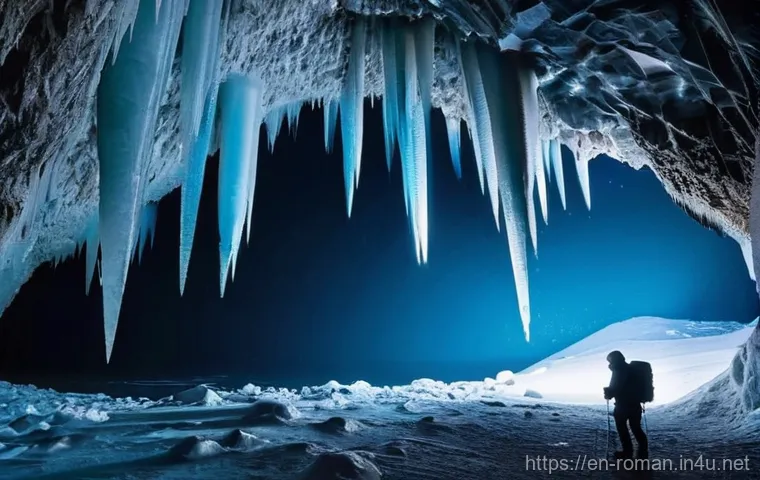
From shimmering ice formations that feel like stepping into a frozen fairy tale to unique ecosystems completely isolated from the outside world for millions of years, Romania’s underground realm is truly mind-blowing.
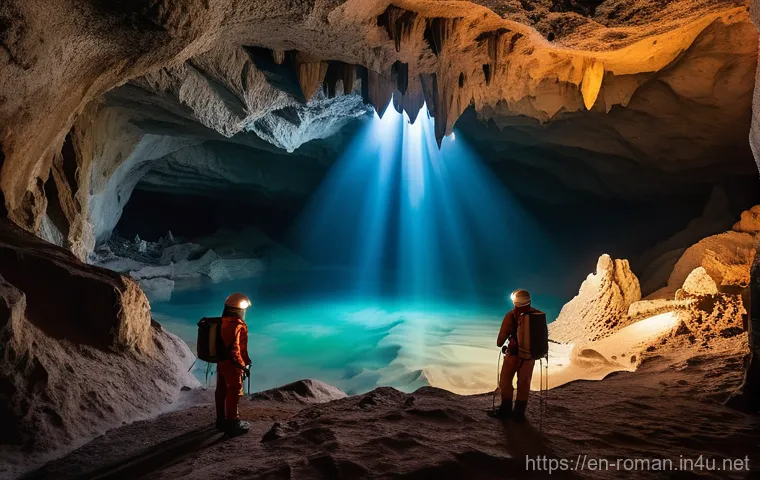
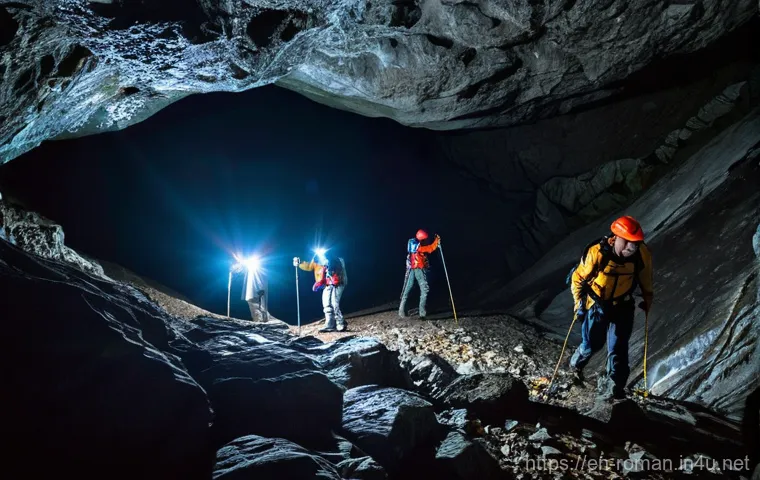
Imagine crawling, climbing, and rappelling through geological wonders, witnessing breathtaking stalactites and stalagmites, and maybe even coming face-to-face with creatures that have adapted to eternal darkness.
It’s a journey that combines physical challenge with unparalleled natural beauty and scientific marvel. I’ve always been drawn to places that feel like stepping into another dimension, and these caves absolutely deliver on that promise.
Let’s delve into this fascinating world and uncover the secrets beneath Romania’s surface. I’ll share all the ins and outs, giving you the real scoop!
Venturing into Romania’s Hidden Heartbeat
Discovering the Subterranean Magic
Alright, fellow explorers, let me tell you, I thought I’d seen it all when it came to breathtaking natural wonders. But then Romania called, whispered secrets of its underground world, and I just *had* to answer.
And wow, am I glad I did! Imagine stepping into a realm where time seems to slow down, where light dances off shimmering ice sculptures, and ancient rock formations tell stories millions of years in the making.
It’s not just a cave; it’s an entire universe beneath your feet. From the moment I squeezed through my first narrow opening, feeling the cool, damp air on my face, I knew this was different.
The sheer scale of some chambers, the delicate artistry of stalactites hanging like chandeliers, and the mysterious pools of water reflecting every gleam of my headlamp – it’s genuinely an awe-inspiring experience that photos simply can’t capture.
My heart was pounding with excitement and a touch of trepidation, a perfect cocktail for adventure. I’ve always been drawn to places that push my comfort zone just a little, and Romania’s caves absolutely deliver on that promise, offering a profound sense of discovery that stays with you long after you’ve resurfaced.
You really feel like you’re unlocking a secret, a privilege to witness such untouched beauty.
More Than Just Rocks: A Living Ecosystem
What truly fascinated me wasn’t just the geology, incredible as it is, but the life that thrives in these seemingly inhospitable environments. When you hear about unique ecosystems, you often think of rainforests or coral reefs, right?
But deep within these Romanian caves, isolated from the sun and the bustling world above for millennia, entire communities of creatures have evolved in astonishing ways.
I’m talking about blind salamanders, transparent insects, and microscopic organisms that have adapted to eternal darkness, finding sustenance in ways we’re still trying to fully comprehend.
It’s like a real-life science fiction movie playing out right before your eyes. During one particularly memorable guided tour, our fantastic local expert pointed out tiny, almost invisible cave dwellers, explaining their incredible survival strategies.
It made me feel incredibly small and incredibly privileged to witness such resilience. It’s a powerful reminder of how diverse and adaptable life on Earth truly is, and it adds an entirely new layer of wonder to the caving experience.
These aren’t just empty caverns; they are vibrant, albeit hidden, worlds brimming with life and mystery, waiting for respectful eyes to observe them.
Gear Up for the Underground: What I’ve Learned to Pack
My Must-Have Essentials for Safe Exploration
When you’re venturing into the unknown depths, having the right gear isn’t just about comfort; it’s about safety. And believe me, after a few unexpected slips and chilly moments, I’ve refined my packing list to a science.
First off, a good quality headlamp is absolutely non-negotiable. Forget your phone flashlight; you need something powerful and reliable, preferably with spare batteries or a portable charger.
I actually carry two – one on my helmet and a backup in my pack, just in case. Trust me, being plunged into absolute darkness underground is an experience you want to avoid!
A sturdy, well-fitting helmet is also crucial; those low ceilings and unexpected rock formations are no joke. I’ve bumped my head more times than I care to admit, and a good helmet has saved me from more than a few headaches.
Beyond that, a robust backpack that can withstand some scrapes and moisture is a lifesaver for carrying water, snacks, and any extra layers. And never, ever forget a first-aid kit, even a small one.
Twisted ankles, scrapes, and bruises are part of the adventure sometimes, and being prepared means you can deal with minor issues on the spot. Seriously, don’t skimp on the essentials; your safety and enjoyment depend on it.
Comfort is Key: Dressing for the Depths
You might think caves are cold, and while many are, the actual temperature can vary, and you’ll often be working up a sweat as you climb and crawl. So, layering is your best friend.
I always start with moisture-wicking base layers – think athletic wear, not cotton, which just gets damp and stays damp, making you feel chilled. Over that, a fleece or a light insulated jacket provides warmth without bulk.
For outer layers, durable, water-resistant pants and a jacket are ideal. You’ll be sliding, kneeling, and possibly brushing against rough surfaces, so something tough that you don’t mind getting dirty is perfect.
I learned this the hard way after tearing a pair of my favorite hiking pants! As for footwear, waterproof hiking boots with excellent ankle support and good grip are absolutely essential.
Slippery, uneven terrain is the norm, and a good pair of boots will prevent countless stumbles. Believe me, there’s nothing worse than having cold, wet feet halfway through an expedition.
My personal recommendation? Invest in a quality pair of boots; your feet will thank you. And finally, gloves – robust work gloves or caving gloves will protect your hands from rough rocks and cold surfaces.
Navigating the Labyrinth: Choosing Your Perfect Cave Adventure
From Beginner-Friendly to Expert-Level Expeditions
One of the coolest things about Romania’s underground world is that there’s truly something for everyone, regardless of your experience level. If you’re new to caving or traveling with family, there are plenty of ‘show caves’ like Bear’s Cave (Peștera Urșilor) or Meziad Cave that offer paved paths, lighting, and guided tours, making them incredibly accessible.
They provide a fantastic introduction to the beauty of stalactites and stalagmites without requiring any specialized gear or intense physical exertion.
I started with a few of these before I dared to go deeper, and they were brilliant for building my confidence. For those craving a bit more thrill, there are numerous guided adventure caving tours where you might find yourself crawling through tighter passages, rappelling down small drops, or even traversing underground rivers.
These often require a good level of fitness and no claustrophobia, but the rewards are immense – you get to see parts of the caves that few others do.
Then, for the serious cavers out there, Romania boasts some truly wild, undeveloped caves that demand advanced technical skills, extensive training, and often multi-day expeditions.
My personal advice? Be honest about your comfort and skill level. There’s no shame in starting easy; the goal is to have an incredible, safe experience, not to prove anything.
Iconic Caves You Can’t Miss (And My Personal Favorites)
Romania is just teeming with incredible subterranean wonders, and choosing which ones to visit can feel a bit overwhelming! But based on my explorations, a few stand out as absolute must-sees.
As I mentioned, Bear’s Cave (Peștera Urșilor) is a fantastic starting point, famous for its numerous fossilized bear skeletons – a truly unique sight.
For something more active, the caves around the Apuseni Mountains, like the ones in the Bihor region, offer a fantastic mix of guided tours and more adventurous routes.
I particularly loved the experience of exploring some of the smaller, less-known caves with a local guide who knew every nook and cranny; it felt much more intimate and authentic.
And then there’s Scărișoara Ice Cave, which is absolutely mind-blowing. Imagine a giant, underground glacier that has been there for thousands of years, forming incredible ice stalagmites and frozen waterfalls – it’s like stepping into a fairy tale.
It’s one of the largest underground glaciers in the world, and the sheer scale and beauty are unforgettable. When you’re planning your trip, consider what kind of experience you’re after – a leisurely walk, a moderate adventure, or a full-on expedition.
Here’s a quick overview of some popular options:
| Cave Name | Location | Experience Level | Highlights |
|---|---|---|---|
| Bear’s Cave (Peștera Urșilor) | Chișcău, Bihor County | Beginner / Family-friendly | Fossilized bear skeletons, impressive stalactites and stalagmites. |
| Scărișoara Ice Cave | Gârda de Sus, Alba County | Moderate (some stairs) | Massive underground glacier, ice formations (seasonal access). |
| Meziad Cave | Meziad, Bihor County | Beginner / Moderate | Large chambers, diverse formations, easy access paths. |
| Topolnița Cave | Izverna, Mehedinți County | Advanced (requires guide/permit) | Challenging passages, unique speleothems, extensive system. |
Beneath the Surface: Unveiling Ancient Secrets
Geological Wonders That Will Blow Your Mind
If you’re a geology buff, or even if you just appreciate incredible natural art, Romania’s caves are going to absolutely floor you. What I’ve seen down there is truly unlike anything I’ve encountered on the surface.
We’re talking about intricate formations that have been sculpted by water and minerals over millions of years, creating what I can only describe as a subterranean art gallery.
There are the classic stalactites (hanging from the ceiling) and stalagmites (rising from the floor), but then you have these delicate, almost ethereal helictites that defy gravity, growing in every direction.
Some caves boast draperies that look like petrified curtains, or “cave pearls” that are perfectly spherical and smooth, polished by dripping water. The colors too are incredible, ranging from pristine whites to rich oranges and reds, depending on the mineral content.
I remember standing in one chamber, my headlamp sweeping across a wall that looked like it was made of liquid gold and silver, realizing I was looking at something that took an unimaginable amount of time to create.
It makes you feel so connected to the Earth’s ancient processes, a silent witness to geological history in the making. Every turn brings a new discovery, a new “oh wow!” moment.
The Silent Sentinels: Cave Fauna and Flora
Beyond the stunning rock formations, the life that exists in these dark, damp environments is a testament to nature’s incredible adaptability. As I briefly touched on, these are not barren landscapes; they’re home to fascinating troglobites – creatures specifically adapted to live only in caves.
Think of blind crustaceans, transparent fish, and unique insects that have lost their pigmentation and eyesight because, well, they don’t need them in eternal darkness.
It’s a humbling experience to observe them, understanding that their entire existence is confined to these underground realms. The delicate balance of these ecosystems means even the smallest disturbance can have a huge impact, which is why respectful caving practices are so vital.
While actual flora is rare in the complete absence of light, you might sometimes spot mosses or ferns near cave entrances where a sliver of daylight can penetrate, adding a surprising splash of green.
But it’s the specialized fauna that truly captures the imagination, making you feel like you’re exploring another planet. Observing these silent sentinels of the deep, thriving in their unique world, just underscores the preciousness and vulnerability of these hidden ecosystems.
Safety First: My Non-Negotiable Rules for Caving
Why a Certified Guide is Your Best Friend Underground
Alright, let’s get serious for a moment about safety because, as exciting as caving is, it’s also an environment where things can go wrong if you’re not prepared.
My number one, absolute, non-negotiable rule is this: *always* go with a certified guide, especially if you’re exploring anything beyond the most developed show caves.
And I mean a *local* certified guide, someone who knows the specific cave system like the back of their hand, understands its quirks, its dangers, and its escape routes.
They’re not just there to point out pretty rocks; they’re your lifeline. They know the weather patterns that could affect water levels, they understand the geology and potential rockfalls, and they carry the proper safety equipment and communication devices.
I’ve heard stories, and experienced minor unexpected moments myself, where a guide’s quick thinking and expertise made all the difference. Trying to save a few bucks by going unguided in anything other than a fully developed tourist cave is, in my honest opinion, a foolish risk.
Their knowledge extends to local regulations, environmental protection, and often, fascinating local lore. So please, for your own safety and peace of mind, make that investment in a professional guide.
It truly elevates the entire experience and ensures you come back with amazing stories, not regrets.
Preparing for the Unexpected: Staying Calm in the Dark
Even with the best guide, adventure always carries an element of the unexpected, and caving is no different. The sheer vastness of some chambers, or the claustrophobic squeeze of others, can trigger anxieties you didn’t even know you had.
That’s why mental preparation is just as important as physical. Before heading in, I always take a few deep breaths and mentally prepare myself for potential challenges: getting muddy, feeling confined, or encountering a sudden drop in temperature.
It’s about acknowledging those feelings and having a plan. What if your headlamp dies? (Hence the backup!) What if you feel a surge of panic in a tight spot?
(Focus on your breathing, remember your guide is right there). The key is to stay calm and trust your guide. They are trained for these situations.
I once had a moment where I felt a bit disoriented after a tricky scramble, and just a simple, reassuring word from my guide helped me recenter myself and continue.
It’s an exercise in trusting your gear, trusting your guide, and most importantly, trusting yourself to adapt. These challenges are part of what makes caving so incredibly rewarding – overcoming them leaves you feeling empowered and more connected to your own resilience.
Leaving Your Mark (Only in Memories): Responsible Caving
Protecting These Fragile Worlds for Future Explorers
When you venture into these ancient, delicate environments, it’s incredibly important to remember that we are merely visitors. The ecosystems within caves are incredibly fragile, evolved over millennia, and can be irreversibly damaged by even the smallest human intrusion.
This is why responsible caving practices are not just good etiquette; they are absolutely essential. My personal ethos is “take nothing but pictures, leave nothing but footprints, kill nothing but time.” That means no touching formations – the oils from our skin can stop their growth – no collecting souvenirs, and absolutely no littering.
Even dropping a small piece of organic matter like an apple core can introduce foreign bacteria or fungi that can disrupt the cave’s delicate balance.
I always double-check my pockets before entering to make sure nothing can accidentally fall out. It’s about being mindful and respectful of the natural history around you.
Imagine future generations being able to experience the same pristine beauty you did; that’s the legacy we want to leave. By following your guide’s instructions and adhering to these principles, you play a vital role in preserving these wonders for everyone, including the unique life forms that call them home.
Supporting Local Communities Through Sustainable Tourism
Another aspect of responsible travel, which I feel strongly about, is ensuring that our adventures benefit the local communities that host us. When you’re exploring Romania’s caves, try to engage with local businesses.
Stay in family-run guesthouses, eat at local restaurants, and buy your supplies from small shops. The money you spend directly supports the people who live in these areas and often act as the primary stewards of these natural treasures.
Hiring local guides, as I emphatically recommended earlier, is another fantastic way to ensure your tourism is sustainable and directly benefits the expertise and livelihoods of the community.
They often have generational knowledge of the caves and the surrounding region that enriches your experience far beyond what any guidebook could offer.
By choosing to travel thoughtfully and support local economies, you’re not just having an incredible adventure; you’re also contributing to the well-being of the people and places you visit.
It makes the entire journey feel more meaningful, knowing that your explorations are having a positive impact.
Wrapping Up Our Underground Journey
And just like that, another incredible adventure draws to a close! Exploring Romania’s hidden heartbeat, venturing deep into its ancient caves, has been nothing short of transformative. From the sheer awe of standing before millennia-old ice formations to the quiet reverence of observing life adapted to eternal darkness, every moment was a profound reminder of our planet’s untold wonders. I truly hope my experiences and tips have sparked your own curiosity and perhaps even ignited a burning desire to discover these subterranean marvels for yourselves. It’s more than just a trip; it’s an immersive journey into geological time and ecological resilience, a chance to disconnect from the everyday and reconnect with the raw, breathtaking power of nature. Trust me, the memories and the feeling of accomplishment will stay with you long after you’ve emerged back into the sunshine.
Handy Tips for Your Romanian Cave Adventure
Here are a few extra nuggets of wisdom I’ve gathered that might just make your Romanian caving experience even smoother and more enjoyable. Planning is key, but so is staying flexible and embracing the unexpected!
1. Best Time to Visit: While many show caves are accessible year-round, for more adventurous trips or to see specific ice caves like Scărișoara at their best (when the ice is most prominent and stable), aiming for late spring to early autumn (May to October) is generally ideal. Always check specific cave opening hours and conditions, as some might have seasonal closures due to weather or conservation efforts.
2. Book Guides & Tours in Advance: Especially if you’re traveling during peak season or have a specific, more challenging cave in mind, pre-booking your certified guide and any adventure tours is a smart move. Local guides, particularly those operating in the Apuseni Mountains, often have limited availability, and securing your spot early ensures you won’t miss out on these unique experiences.
3. Local Currency & Payments: Romania uses the Romanian Leu (RON). While major cities and larger tourist spots accept credit cards, many smaller guesthouses, local eateries, and independent guides in rural caving regions might prefer or even require cash. It’s always a good idea to carry a decent amount of RON for incidentals and smaller purchases, just to be safe.
4. Accommodation: Consider staying in local guesthouses or “pensiuni” near the cave regions, especially around the Apuseni Mountains. These often offer authentic Romanian hospitality, delicious home-cooked meals, and valuable local insights that you won’t get from a standard hotel. Plus, supporting these family-run businesses directly benefits the communities you’re visiting.
5. Combine with Other Adventures: Don’t limit your trip to just caving! Romania is brimming with other incredible sights. After your underground explorations, consider exploring medieval castles like Bran or Corvin, hiking through the Carpathian Mountains, or discovering charming Saxon villages. Many caving regions are also fantastic for trekking, cycling, or simply enjoying the stunning natural landscapes above ground.
My Top Takeaways for a Seamless Experience
If there’s one thing I want you to remember from my ramblings about Romania’s caves, it’s this: preparation meets wonder. Investing in the right gear, prioritizing your safety with a certified local guide, and embracing responsible tourism aren’t just recommendations – they are the pillars of an unforgettable and respectful adventure. These subterranean realms are ancient, delicate, and profoundly beautiful, offering a rare glimpse into geological time and unique ecosystems. By approaching them with respect and curiosity, you’re not just seeing a cave; you’re becoming a temporary custodian of a truly extraordinary part of our world. So go on, take that leap, and let Romania’s hidden heartbeat captivate your soul. You’ll emerge with stories that will last a lifetime, and perhaps, a deeper appreciation for the silent, majestic wonders beneath our feet.
Frequently Asked Questions (FAQ) 📖
Q: Which Romanian caves are an absolute must-see for an unforgettable adventure, especially if I’m looking for something beyond the typical tourist spots?
A: Oh, this is where my adventurer’s heart truly sings! If you’re anything like me, you’re craving those experiences that go beyond the usual postcard views, right?
Romania’s Apuseni Mountains are truly a speleologist’s paradise, brimming with incredible underground wonders. For starters, you absolutely cannot miss the Scărișoara Glacier Cave.
Imagine stepping into a real-life frozen fairy tale! It’s home to Europe’s second-largest underground glacier, a colossal mass of ice that’s over 3,000 years old, glimmering with stunning blue formations even in the height of summer.
The well-maintained pathways make it accessible, but the sheer scale and ethereal beauty of the ice chambers will blow your mind – it certainly did mine!
Make sure to bundle up, because it’s perpetually chilly down there. Then there’s the truly captivating Bears’ Cave, or Peștera Urșilor. This place is a living museum of the Ice Age!
You’ll literally walk among the fossilized remains of over 140 cave bears that were trapped here thousands of years ago. Seeing a full cave bear skeleton, along with countless bones and claw marks on the walls, really puts into perspective the ancient history held within these mountains.
The stalactites and stalagmites are magnificent too, creating a dramatic backdrop to this paleontological wonderland. It’s a beautifully arranged show cave, so you get all the wonder without needing specialized gear for this one.
For those of you looking to dial up the adventure, Cetățile Ponorului, often called the “Fortress of Ponor” or even the “Everest of Romanian Speleology,” is a breathtaking, grandiose karst formation.
It boasts Romania’s largest cave entrance, a monumental portal over 70 meters high! While some parts require proper equipment like rubber boots and headlamps, and a guide is highly recommended for safety and navigation, experiencing its vast dolines, underground rivers, and sheer geological power is something you’ll never forget.
It’s raw, it’s powerful, and it’s an absolute thrill for anyone ready to embrace a bit more challenge. Trust me, each of these offers a unique slice of Romania’s hidden beauty that will stay with you long after you emerge back into the sunlight!
Q: Caving sounds incredible, but is it safe for someone without much experience, and what kind of preparation or gear should I be thinking about?
A: You’re asking exactly the right questions! Safety is always my number one concern when exploring, especially when heading underground. For most of the “show caves” like Scărișoara and Bears’ Cave, which I just raved about, you’ll be perfectly safe even without prior caving experience.
They’re designed for tourists, meaning they have well-maintained paths, stairs, and often guided tours that ensure a secure and enjoyable visit. My first time in Scărișoara, I was just wearing sturdy hiking boots and a good jacket, and it was totally fine!
However, if you’re dreaming of delving deeper into the more untamed, natural caves that require crawling, climbing, or even rappelling, then yes, experience and proper preparation become absolutely crucial.
For these wilder adventures, I can’t stress enough the importance of going with experienced local guides or reputable tour operators. They’re not just experts at navigation; they prioritize safety above all else, often providing the necessary technical gear and crucial instruction on rope techniques and emergency procedures.
I always recommend a decent level of physical fitness and, very importantly, making sure you don’t have severe claustrophobia or a fear of heights, as some passages can be tight, and descents can be exhilarating!
As for gear, beyond comfortable layers (think synthetics or wool – cotton gets cold and stays wet forever!) and good, grippy rubber boots or sturdy hiking shoes, here’s what you’ll definitely need for any serious caving:
Helmet and Lights: This is non-negotiable!
You’ll need a hard-shell helmet (UIAA-approved is best) to protect your head, and it’s essential to have at least three independent light sources. Your primary headlamp should be powerful and reliable, but having two backup flashlights is a must.
You never want to be caught in pitch darkness underground! Protective Gear: Kneepads and elbow pads are your best friends, especially when you find yourself crawling through tighter spots.
Trust me, your joints will thank you! Gloves also protect your hands from scrapes and the cold. Specialized Kit (for advanced caves): If vertical elements are involved, your guide will typically provide a caving harness, ascenders, descenders, and ropes.
Never attempt these without professional training and proper equipment. Always carry water, some high-energy snacks, and a small first-aid kit. And most importantly, always communicate any concerns with your guide or group.
Caving is a team effort, and staying safe means looking out for each other!
Q: What makes Romania’s underground world so uniquely fascinating compared to other caving destinations, and what kind of surprising discoveries can I expect?
A: Oh, this is truly where Romania shines! I’ve explored caves in many corners of the world, but there’s a certain magic, a raw, untamed essence to Romania’s underground that sets it apart.
It’s not just about the beauty, it’s about the unique blend of geological marvels, ancient history, and even some truly bizarre biological wonders! What really strikes me first are the ice caves.
Scărișoara, as I mentioned, is simply incredible. To find such massive, ancient glaciers preserved underground, shimmering with blue light, is a rare and breathtaking phenomenon that few other places can match.
It feels like stepping into another era, completely untouched. It’s a stark contrast to the surrounding temperate forests, and that juxtaposition is just mind-blowing.
Then there’s the paleontological richness. Caves like Bears’ Cave are unparalleled. Walking past dozens of perfectly preserved Ice Age cave bear skeletons, seeing their footprints and claw marks – it’s a direct connection to a prehistoric world.
You won’t just see stalagmites; you’ll see history literally etched into the cave walls. It’s an emotional experience, feeling the presence of creatures that roamed these lands tens of thousands of years ago.
And get this: some caves like Vartop even boast Neanderthal footprints! Talk about a trip through time! Beyond the ice and bones, the Apuseni Mountains themselves are a geological playground, hosting over 12,000 caves across the country.
This means an incredible diversity of karst formations – from immense underground rivers that vanish and reappear, to towering cave entrances that feel like grand cathedrals.
The sheer variety of stalactites, stalagmites, and delicate draperies is simply astounding; every turn reveals a new, fantastical sculpture crafted by nature over millennia.
Some stalactites grow at an almost imperceptible rate, making everything you see feel truly ancient and precious. And for the scientifically curious, while not open to tourists, Romania is home to the Movile Cave, a truly unique ecosystem that has been completely isolated from the outside world for millions of years.
It’s a chemoautotrophic system, meaning life here survives not on sunlight, but on chemical energy, fostering bizarre, blind, and translucent creatures found nowhere else on Earth.
This truly highlights the profound and still-unfolding secrets held within Romania’s underground realms. It’s a testament to the fact that even in our modern world, there are still “lost worlds” waiting to be discovered, right beneath our feet!