The Romanian War of Independence marked a pivotal moment in Eastern European history, showcasing a nation’s fierce determination to break free from Ottoman rule.
This conflict not only reshaped Romania’s national identity but also influenced the balance of power in the region. Understanding the causes, key battles, and outcomes reveals how Romania emerged as a sovereign state on the world stage.
It’s fascinating to see how the bravery and strategic alliances during this war set the foundation for modern Romania. Let’s dive deeper and explore the intricate details behind this historic struggle.
I’ll make sure to guide you through it clearly and thoroughly!
The Political Climate Leading to Romania’s Assertion
Growing National Consciousness and Its Roots
The latter half of the 19th century was a time of awakening for many Eastern European nations, but Romania’s surge in national identity was particularly striking.
It wasn’t just about political aspirations; it was a deep cultural renaissance fueled by language, folklore, and a shared history that had long been suppressed under Ottoman influence.
Intellectuals, poets, and political leaders alike fostered a sense of pride and unity, making it impossible for the Romanian people to ignore their desire for self-rule.
This cultural momentum created a fertile ground for political change, setting the stage for the eventual push towards independence.
External Pressures and the Decline of Ottoman Power
By the 1870s, the Ottoman Empire was struggling to maintain its vast territories, weakened by internal strife and external conflicts. European powers, including Russia and Austria-Hungary, were eyeing these territories with strategic interest, often playing a game of influence and control.
Romania’s position was unique; it was a vassal state with increasing autonomy but still under Ottoman suzerainty. The shifting balance of power in the region created an opening for Romania to assert itself, especially as Russia positioned itself as a protector of Orthodox Christians within the empire, thus indirectly supporting Romanian aspirations.
Diplomatic Maneuvering and Alliances
Romania’s leaders were not merely passive observers but active players in the intricate diplomatic chessboard of the time. They carefully navigated relationships with neighboring powers, ensuring that their quest for independence would be backed by strong allies.
The alliance with Russia was particularly crucial, as Russia’s war against the Ottomans offered Romania both a chance and a partner to challenge Ottoman dominance.
Behind the scenes, Romanian diplomats worked tirelessly to secure recognition and support from Western European countries, understanding that international legitimacy was essential for lasting sovereignty.
Strategies and Tactics in the Battlefield
Mobilization of Romanian Forces
When the conflict erupted, Romania’s military was not the largest, but it was highly motivated and strategically organized. Mobilizing quickly was essential, and the Romanian army demonstrated remarkable efficiency in recruiting and training soldiers from across the principality.
What stood out was the integration of local knowledge with modern warfare techniques, blending guerrilla tactics with conventional battles. This adaptability proved decisive in several engagements, allowing Romanian forces to punch well above their weight.
Key Battles That Turned the Tide
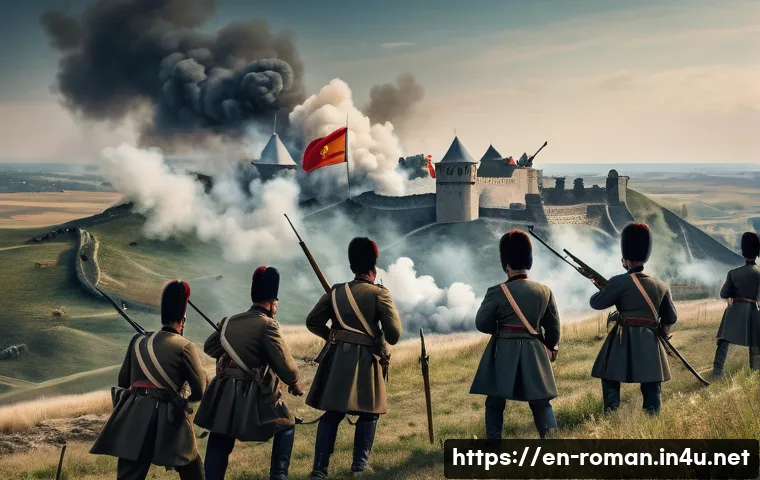
Several battles defined the course of the war, but the Siege of Plevna stands out as a particularly brutal and pivotal confrontation. Romanian troops fought alongside Russian forces to break the Ottoman hold on this fortress city, enduring harsh conditions and fierce resistance.
The victory at Plevna not only boosted morale but also signaled to the world that Romania was a formidable military force capable of defending its interests.
Other skirmishes around the Danube and in the mountainous regions showcased Romanian resilience and tactical ingenuity, making clear that the war was far from a one-sided affair.
The Role of Civilian Support and Logistics
Behind every successful military campaign lies the often overlooked backbone of civilian support. Romanian villages and towns played a vital role in sustaining the war effort, providing food, shelter, and medical care to soldiers.
The logistical challenges were immense, given the terrain and the limited infrastructure, but the collective spirit of the Romanian people helped overcome these hurdles.
Local leaders organized supply chains and volunteer networks, ensuring that the front lines were adequately equipped and reinforced. This unity between civilians and soldiers was a testament to the national resolve driving the conflict.
Impact on Regional Power Dynamics
The Shift in Ottoman Influence
The war marked a clear decline in Ottoman control over its European territories. The loss of Romanian allegiance, combined with other nationalist movements, signaled a weakening empire struggling to maintain cohesion.
This shift emboldened neighboring countries and altered alliances, as the Ottoman Empire was no longer seen as an unassailable power. The strategic weakening opened the door for further territorial changes in the Balkans, reshaping the map of Eastern Europe in the decades to come.
Russia’s Expanding Role and Ambitions
Russia emerged from the conflict with increased influence in the Balkans, positioning itself as a key player in regional politics. By supporting Romania’s independence, Russia not only undermined Ottoman authority but also gained a foothold to project power southward.
This expansion, however, was double-edged. While it secured Russian interests, it also created tensions with other European powers wary of Moscow’s growing ambitions.
The war thus contributed to a more complex and competitive geopolitical landscape in Eastern Europe.
Western Europe’s Response and Involvement
European powers like Britain, France, and Austria-Hungary watched the unfolding events with mixed feelings. While some sympathized with Romania’s quest for self-determination, others were concerned about the balance of power and the potential for broader conflict.
Diplomatic efforts intensified to manage the aftermath of the war, leading to treaties that acknowledged Romania’s independence but also sought to maintain peace.
This cautious approach reflected the delicate equilibrium of 19th-century European diplomacy, where nationalism and imperial interests frequently clashed.
Social and Economic Transformations During the Conflict
Mobilizing the Economy for War
War is never just fought on battlefields; it stretches deep into the economic fabric of a nation. Romania’s economy had to shift rapidly to support the military effort, leading to increased production in agriculture and manufacturing sectors.
Resources were redirected to supply the army, and infrastructure projects accelerated to improve transportation and communication lines. Despite hardships, this wartime mobilization laid the groundwork for future industrial development, showing how conflict can inadvertently spur modernization.
Changes in Social Structures and National Unity
The war had a unifying effect on Romanian society, bridging divides that had previously separated urban elites from rural populations. Shared sacrifice and common goals fostered a stronger national consciousness that transcended class and regional differences.
Moreover, the involvement of various social groups in the war effort helped democratize political participation, as calls for broader representation and rights grew louder.
This social transformation was a key legacy of the conflict, influencing Romania’s path toward becoming a modern nation-state.
The Human Cost and Its Legacy
No discussion about war can ignore its toll on human lives. The Romanian War of Independence caused significant casualties and suffering, leaving scars on families and communities.
Yet, the collective memory of these sacrifices became a source of pride and identity for future generations. Memorials, literature, and oral histories kept alive the stories of bravery and endurance, ensuring that the cost of freedom was neither forgotten nor in vain.
Diplomatic Outcomes and International Recognition
The Treaty That Secured Sovereignty
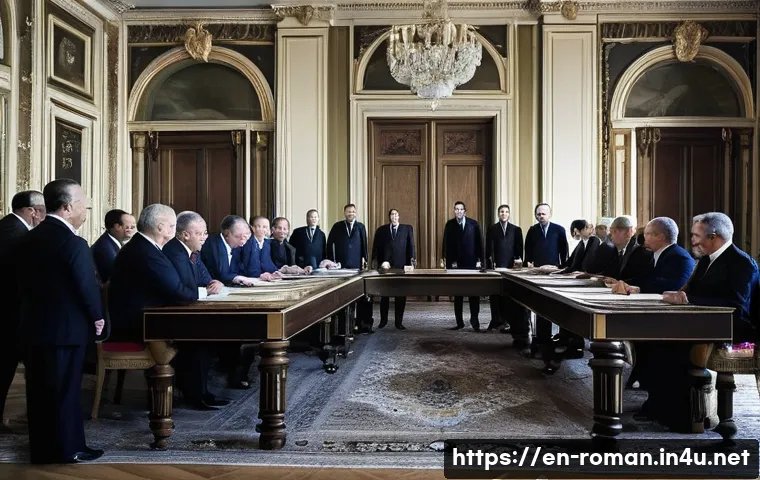
The culmination of the war was formalized through diplomatic treaties that recognized Romania’s independence. The Treaty of Berlin in 1878 was particularly significant, as it not only acknowledged Romania’s sovereignty but also defined its borders and international status.
Negotiations were complex and fraught with competing interests, but Romania’s leadership skillfully navigated the process, ensuring the nation’s place on the global map.
This diplomatic victory was as important as the battlefield successes, cementing Romania’s new role in European affairs.
Challenges in Gaining Global Acceptance
Even with treaties in place, gaining full acceptance by the international community was a gradual process. Some powers remained cautious or skeptical about Romania’s stability and future.
Economic ties, military alliances, and cultural exchanges became tools to solidify Romania’s standing and build trust. The government invested in showcasing Romania’s modernization efforts and commitment to peace, recognizing that independence was not just a legal status but a continuous diplomatic effort.
The Long-Term Effects on Romanian Foreign Policy
The experience of winning independence shaped Romania’s approach to foreign policy for decades. It fostered a cautious but assertive stance, balancing relations between larger powers while safeguarding national interests.
Romania’s leaders became adept at leveraging alliances and participating in international organizations to maintain sovereignty and promote development.
This pragmatic approach was rooted in the lessons learned during and after the war, highlighting the interplay between military strength and diplomatic skill.
Military Innovations and Lessons Learned
Adoption of Modern Weaponry and Tactics
One of the notable aspects of the conflict was Romania’s adoption of modern military technology and tactics. The war acted as a catalyst for upgrading armaments, improving artillery, and training troops in contemporary combat methods.
Romanian officers studied foreign military doctrines and adapted them to local conditions, enhancing effectiveness on the battlefield. This modernization was crucial in overcoming the numerical and logistical advantages of the Ottoman forces.
Training and Organization Improvements
The war underscored the importance of disciplined and well-organized troops. Romania invested heavily in military education, establishing academies and training programs that professionalized the army.
Command structures became more efficient, with clear lines of communication and coordination between units. These improvements were not only vital during the war but laid the foundation for Romania’s future military capabilities, helping the country defend its sovereignty in subsequent conflicts.
Lessons from Coalition Warfare
Fighting alongside Russian forces brought valuable insights into coalition warfare. Romanian commanders learned to coordinate with allies who had different languages, tactics, and strategic priorities.
This experience highlighted the challenges and benefits of multinational operations, teaching Romania the importance of diplomacy within military alliances.
The ability to work effectively with partners became a key skill in Romania’s defense strategy going forward.
| Aspect | Details | Impact |
|---|---|---|
| Political Awakening | Rise of national consciousness driven by cultural revival and intellectual movements | Unified Romanian identity fueling independence aspirations |
| Military Strategy | Combination of guerrilla tactics and conventional warfare; key battles like Plevna | Successful resistance against Ottoman forces despite smaller army size |
| International Alliances | Close collaboration with Russia; diplomatic efforts with Western powers | Secured political and military support essential for independence |
| Economic Mobilization | Redirecting resources to support war effort; infrastructure improvements | Strengthened national economy and facilitated post-war development |
| Social Impact | Increased national unity; democratization of political participation | Long-term social cohesion and modern state-building |
| Diplomatic Recognition | Treaty of Berlin and subsequent international acceptance | Formalized Romania’s sovereignty and defined borders |
| Military Modernization | Adoption of modern weapons, training, and coalition warfare experience | Enhanced military effectiveness and preparedness for future conflicts |
The Role of Leadership and Key Figures
Visionary Political Leaders
Romania’s independence was not just the result of popular will but also of determined leadership. Figures like Prince Carol I played crucial roles in steering the country through diplomatic and military challenges.
Their ability to inspire, negotiate, and strategize was instrumental in uniting disparate factions and securing international backing. These leaders understood that independence required more than battlefield victories; it demanded visionary governance and the ability to navigate complex global politics.
Military Commanders and Their Influence
On the battlefield, commanders demonstrated exceptional skill and bravery. Leaders such as General Alexandru Cernat coordinated Romanian forces with precision and courage, often under difficult circumstances.
Their leadership boosted troop morale and ensured disciplined execution of battle plans. The personal sacrifices and tactical decisions made by these commanders were key to Romania’s success and remain celebrated chapters in the nation’s military history.
Contributions of Civilian Figures
Behind the scenes, civilian leaders, intellectuals, and volunteers contributed enormously. From organizing supplies to rallying public support, their efforts created a robust home front.
Women, in particular, played vital roles in nursing wounded soldiers and maintaining community stability. These contributions underscored the comprehensive nature of the independence movement, where every citizen had a stake and a role to play in shaping Romania’s future.
Cultural Reflections and National Memory
Literature and Art Inspired by the Struggle
The war left a profound imprint on Romanian culture, inspiring poets, writers, and artists to capture the spirit of the time. Works produced during and after the conflict celebrated heroism, sacrifice, and the quest for freedom, helping to solidify a shared national narrative.
These cultural artifacts became touchstones for identity, educating future generations about the cost and value of independence.
Commemorations and National Holidays
Romania’s independence is commemorated annually with ceremonies and public celebrations that honor those who fought and died. These events reinforce national pride and provide opportunities for reflection on the country’s journey.
Schools, museums, and public spaces play a role in keeping the memory alive, ensuring that the lessons and legacy of the war remain a vital part of Romanian society.
Impact on Modern Romanian Identity
The legacy of the independence war continues to influence how Romanians see themselves today. It represents a foundational moment that defines resilience, courage, and the pursuit of self-determination.
This historical experience shapes contemporary debates about sovereignty, national unity, and Romania’s place in Europe and the world. Understanding this cultural memory offers valuable insights into the country’s ongoing development and aspirations.
Conclusion
Romania’s journey to independence was marked by a powerful blend of cultural revival, strategic diplomacy, and determined military effort. The nation’s resilience and unity in the face of external pressures set a lasting example of self-determination. This historic achievement not only reshaped the region’s political landscape but also laid the foundation for Romania’s modern identity and future development.
Useful Information to Keep in Mind
1. Romania’s national awakening was deeply rooted in cultural pride and intellectual movements that inspired political change.
2. The military success was largely due to innovative tactics and strong alliances, especially with Russia.
3. Civilian support played a crucial role in sustaining the war effort, highlighting the importance of unity during conflict.
4. The Treaty of Berlin officially recognized Romania’s independence, marking a significant diplomatic victory.
5. The war accelerated economic modernization and social cohesion, influencing Romania’s trajectory as a nation.
Key Takeaways
Romania’s independence was achieved through a combination of cultural revival, savvy diplomacy, and effective military strategies supported by civilian cooperation. The decline of Ottoman power and Russia’s strategic involvement created opportunities that Romanian leaders skillfully exploited. The conflict not only altered regional power dynamics but also initiated social and economic transformations that shaped the country’s modern identity and foreign policy. Understanding these factors provides valuable insight into Romania’s emergence as a sovereign state and its ongoing role in European affairs.
Frequently Asked Questions (FAQ) 📖
Q: What were the main causes that led to the Romanian War of Independence?
A: The Romanian War of Independence was primarily triggered by Romania’s desire to break free from the Ottoman Empire’s control, which had lasted for centuries.
Rising nationalism, combined with the weakening Ottoman influence and the broader context of the Russo-Turkish War (1877-1878), provided the perfect storm.
Romania sought to assert its sovereignty, protect its borders, and gain international recognition as an independent state. Economic pressures, cultural revival, and political aspirations all fueled this determination to fight for independence.
Q: Which key battles during the war were most significant in securing Romania’s independence?
A: Among the numerous confrontations, the Siege of Plevna stands out as a crucial battle where Romanian troops, alongside Russian allies, demonstrated extraordinary bravery and tactical skill.
This battle severely weakened Ottoman forces and shifted momentum in favor of Romania and Russia. Additionally, engagements around Grivitsa and Rahova further showcased Romanian resilience.
These victories not only boosted national morale but also played a decisive role in the diplomatic negotiations that followed, ultimately leading to Romania’s official independence.
Q: How did the outcome of the Romanian War of Independence affect the region’s political landscape?
A: The war’s outcome significantly altered the balance of power in Eastern Europe. Romania’s emergence as a recognized independent nation challenged Ottoman dominance and encouraged other Balkan states to pursue their own sovereignty.
This shift contributed to the gradual decline of Ottoman influence in the region and set the stage for future alliances and conflicts. For Romania itself, independence meant greater control over domestic affairs, the ability to modernize its institutions, and a stronger voice on the international stage, laying the groundwork for its development into a modern European state.