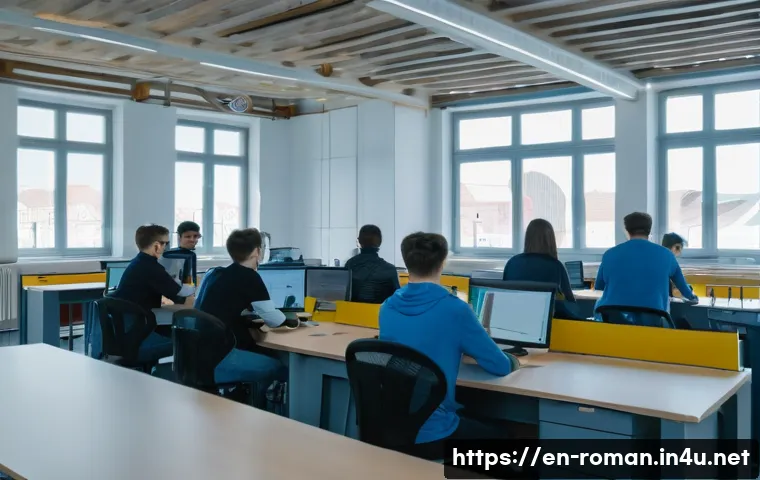
Thinking about studying abroad but craving a unique experience beyond the usual destinations? Romania offers a fascinating blend of rich history, vibrant culture, and affordable education that’s catching the eye of international students worldwide.
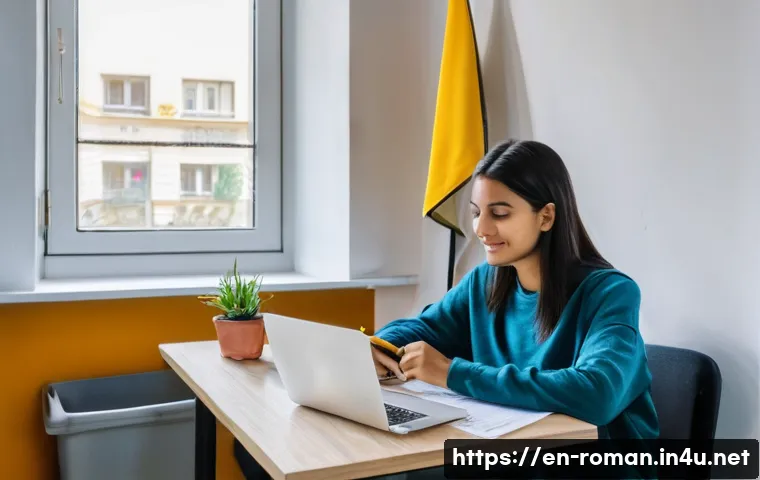
From picturesque medieval towns to cutting-edge universities, it’s a place where tradition meets innovation. Plus, the cost of living is surprisingly budget-friendly compared to many Western European countries, making it an attractive option for students.
Whether you’re passionate about technology, arts, or sciences, Romania’s diverse programs have something to offer. Let’s dive into the details and uncover what makes studying in Romania truly special!
Exploring Romania’s Academic Landscape
Top Universities and Their Unique Strengths
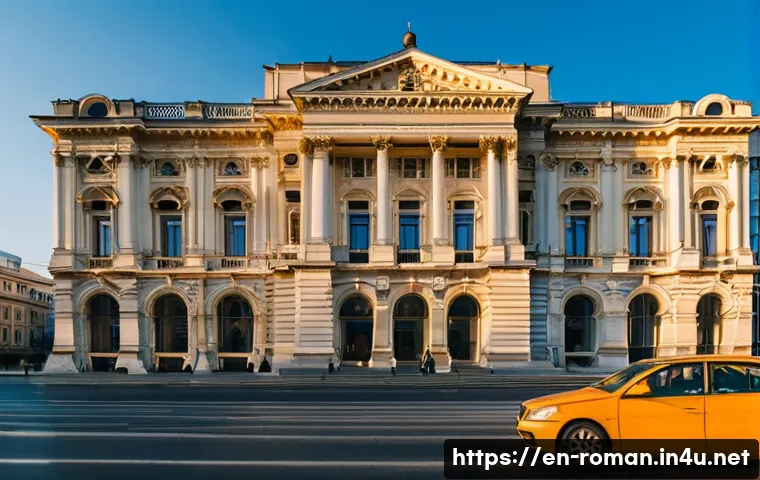
Romania boasts some impressive universities that blend tradition with modern academic excellence. Institutions like Babeș-Bolyai University in Cluj-Napoca and the University of Bucharest are not only historic but also highly ranked, offering a variety of programs in English.
From engineering and medicine to arts and social sciences, these universities cater to diverse interests. What I found particularly appealing is how some schools emphasize research, giving students hands-on experience early on.
For example, the Politehnica University of Bucharest is known for its cutting-edge tech labs, which I got to tour during a visit, and the vibe was inspiring for any tech enthusiast.
The balance between theory and practice is a hallmark of Romanian higher education, making it a solid choice for students wanting to dive deep into their fields.
Affordable Tuition and Scholarships
One of the biggest draws to studying in Romania is the affordability factor. Compared to Western Europe or North America, tuition fees here are surprisingly reasonable.
Public universities usually charge between €2,000 and €5,000 per year for international students, which is a steal considering the quality of education.
Additionally, the Romanian government and universities offer various scholarships aimed at attracting global talent. These scholarships can cover tuition partially or fully and sometimes include monthly stipends.
I’ve spoken with students who managed to secure such scholarships, which made their stay not just affordable but financially manageable. This combination of quality and cost-effectiveness is hard to find elsewhere.
Programs Taught in English and Other Languages
If you’re worried about language barriers, Romania has made significant strides. Many universities now offer entire degree programs in English, especially in popular fields like medicine, engineering, and business.
This makes it easier for international students to settle in without the immediate pressure of learning Romanian. That said, picking up some Romanian can enrich your experience and daily life, but it’s not mandatory for academic success.
Some institutions even provide preparatory language courses. Besides English, you’ll find programs in French and German, reflecting Romania’s diverse cultural ties.
This multilingual academic environment adds a layer of accessibility and international flavor.
Living Costs and Student Lifestyle in Romania
Budgeting for Accommodation and Daily Expenses
Living in Romania as a student is pleasantly affordable, especially when you compare it to cities like London or Paris. On average, monthly rent for a shared apartment or student dorm ranges from €150 to €350, depending on the city and location.
Cities like Bucharest and Cluj-Napoca tend to be on the higher end, but even then, the costs are manageable. For groceries, public transport, and leisure activities, expect to spend around €150 to €200 monthly.
When I lived in Cluj, I was able to enjoy a variety of cafes and cultural events without breaking the bank. The affordability allows students to balance studies and social life comfortably, which is vital for mental health and overall well-being.
Social Scene and Cultural Activities
Romania’s student towns are buzzing with cultural events, festivals, and social gatherings throughout the year. From medieval festivals in Sibiu to music concerts in Timișoara, there’s always something happening.
Students often share that joining local clubs or university societies is a fantastic way to meet new friends and immerse themselves in Romanian culture.
I personally found that weekend trips to the countryside or historic sites became a favorite pastime among my peers. These experiences go beyond textbooks, offering a glimpse into Romania’s rich traditions and warm hospitality.
Plus, the nightlife in cities like Bucharest offers a mix of laid-back pubs and vibrant clubs, catering to all tastes.
Healthcare and Student Support Services
Access to healthcare is another important factor, and Romania provides a decent level of medical support for students. Public universities often have student health centers that offer basic medical services and counseling.
International students are usually required to have health insurance, which can be arranged through the university or independently. During my stay, I found the healthcare facilities to be accessible and reasonably efficient.
Universities also provide support services including academic counseling, visa assistance, and language help, ensuring students have the resources they need to thrive.
This support network can make a huge difference, especially when adjusting to a new country.
Romania’s Unique Cultural Tapestry and Travel Opportunities
Discovering Romania’s Medieval Towns and Castles
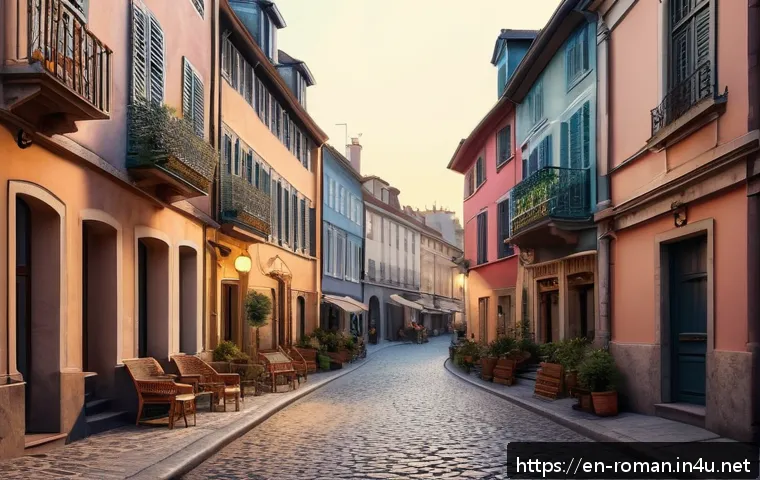
One of the most enchanting aspects of studying in Romania is the chance to explore its historical gems. Towns like Sibiu, Brașov, and Sighișoara are living museums with well-preserved medieval architecture and cobblestone streets.
For anyone who loves history or photography, these places are nothing short of magical. I remember taking weekend trips to Bran Castle, famously linked to the Dracula legend, and being amazed at how folklore and history intertwine here.
These destinations are easily accessible by train or bus, making it perfect for spontaneous adventures. Living in Romania means you’re never far from stepping into a fairy tale.
Experiencing Romania’s Festivals and Traditions
Romanian culture is rich with festivals that celebrate everything from music and film to traditional crafts and food. Events like the Transylvania International Film Festival or the George Enescu Classical Music Festival showcase the country’s artistic side on a global stage.
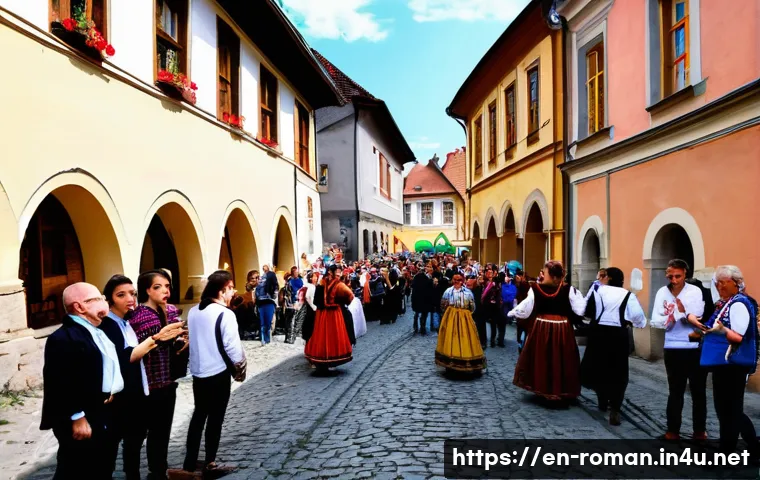
Beyond the big festivals, smaller regional celebrations offer a more intimate glimpse into local customs, such as traditional dance performances and craft fairs.
Participating in these events can deepen your understanding of Romanian identity and foster a connection that goes beyond academics. From personal experience, being part of these celebrations made my time in Romania feel vibrant and authentic.
Natural Wonders for Outdoor Enthusiasts
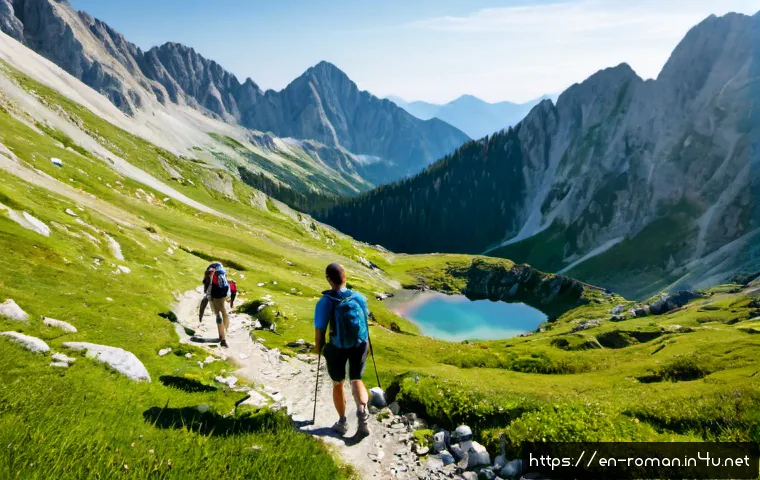
Romania isn’t just about cities and culture; its natural landscapes are stunning and diverse. The Carpathian Mountains offer excellent hiking, skiing, and wildlife spotting, while the Danube Delta is a paradise for bird watchers and nature lovers.
I took a trip to the Bucegi Mountains and was blown away by the breathtaking views and fresh mountain air. These outdoor opportunities provide a perfect break from studies, allowing students to recharge and explore.
The relatively low cost of travel within Romania means you can easily plan weekend excursions without stretching your budget.
Language Learning and Integration Tips for Students
Why Learning Romanian Makes a Difference
Even though many programs are in English, learning Romanian can significantly enhance your experience. It opens doors to deeper cultural understanding and smoother daily interactions, from grocery shopping to making friends.
I personally started with basic phrases and noticed how locals appreciated the effort, often going out of their way to help or chat. Language apps and local language exchange meetups are great resources.
Plus, mastering Romanian can boost your CV, especially if you plan to work or stay in Eastern Europe after graduation. It’s a small investment that pays off in many ways.
Practical Ways to Practice Romanian Daily
Integrating language learning into your daily routine doesn’t have to be overwhelming. Simple habits like reading local newspapers, watching Romanian TV shows with subtitles, or practicing with classmates can make a huge difference.
I found that joining student clubs and participating in community events provided natural and fun opportunities to speak Romanian without pressure. Many universities also offer language courses tailored to international students, which can be a helpful structured approach.
Consistency is key, and even a few minutes a day can lead to noticeable progress.
Building Connections with Locals and Other Internationals
Making friends and building a support network is crucial when studying abroad. Romania’s welcoming spirit shines through in student communities where locals and internationals mix freely.
I joined several cultural exchange groups and found that shared interests like hiking or music helped break the ice. Universities often organize orientation weeks, language tandems, and social events designed to foster friendships.
These connections not only enrich your social life but can also provide practical support, from study tips to navigating bureaucracy. Feeling part of a community makes the transition smoother and the experience more rewarding.
Career Prospects and Internship Opportunities in Romania
Growing Industries and Job Market Insights
Romania’s economy is rapidly evolving, with tech, automotive, and creative industries showing significant growth. Cities like Bucharest and Cluj-Napoca are becoming tech hubs, attracting startups and multinational companies alike.
For students in IT, engineering, or business, this translates into ample internship and job opportunities. I noticed several university career centers actively connect students with local companies, offering internships that often lead to permanent positions.
The cost of living combined with growing job prospects makes Romania a compelling place to kickstart a career in Europe.
Internship Programs and Work-Study Options
Many Romanian universities have partnerships with businesses that provide structured internships, often integrated into degree programs. These internships give practical experience and help build a professional network.
I’ve talked to students who interned at tech firms or marketing agencies and found the experience invaluable for understanding real-world challenges and boosting their resumes.
Additionally, international students can work part-time with proper permits, which helps with living expenses and gaining work experience. Balancing study and work is achievable with good time management, and the exposure is a big plus for future employers.
Networking and Professional Development
Networking in Romania is vibrant, especially in university cities where international conferences, workshops, and career fairs are regular occurrences.
Participating in these events can connect you with industry leaders, alumni, and potential mentors. I attended a few tech meetups and was impressed by how approachable professionals were, eager to share advice and opportunities.
Universities also offer career counseling and CV workshops, which helped me prepare for the job market. Building these connections early can open doors both in Romania and abroad, making your study abroad investment even more valuable.
Essential Practical Information for International Students
Visa and Residence Permit Requirements
International students planning to study in Romania must secure a student visa before arrival. The process involves submitting an acceptance letter from a Romanian university, proof of financial means, and health insurance.
Upon arrival, students need to apply for a residence permit, which allows them to stay legally during their studies. I remember the paperwork being straightforward but requiring careful attention to deadlines.
Universities often provide guidance and support to help navigate these bureaucratic steps. Staying on top of visa requirements is crucial to avoid any legal complications.
Banking, Mobile, and Transportation Essentials
Opening a local bank account is highly recommended for managing tuition payments, rent, and daily expenses. Romanian banks offer accounts with low fees and online banking options, which I found very convenient.
Getting a local SIM card is equally important for staying connected, with affordable plans from providers like Orange and Vodafone. Public transportation in most university cities is efficient and budget-friendly, with monthly student passes costing around €10-15.
I relied on trams and buses daily, and the extensive network made commuting hassle-free. These small but essential practicalities make life smoother and more comfortable.
Safety Tips and Health Precautions
Romania is generally safe for students, but like any country, it pays to be mindful of your surroundings. Avoid poorly lit or isolated areas at night, and keep your belongings secure in crowded places.
I always found locals to be friendly and willing to help if you ask for directions or advice. Health-wise, basic vaccinations should be up to date, and drinking tap water in most cities is safe, though some prefer bottled water.
Carrying a small first aid kit and knowing the location of the nearest hospital or clinic can provide peace of mind. Staying informed and cautious ensures a worry-free experience.
| Expense Category | Average Monthly Cost (Euros) | Notes |
|---|---|---|
| Tuition Fees | €2,000 – €5,000 per year | Varies by university and program |
| Accommodation | €150 – €350 | Depends on city and type (dorm vs. apartment) |
| Food & Groceries | €100 – €150 | Includes eating out occasionally |
| Transportation | €10 – €15 | Student monthly pass in urban areas |
| Health Insurance | €10 – €30 | Mandatory for international students |
| Leisure & Miscellaneous | €50 – €100 | Includes cultural events, outings |
Conclusion
Studying in Romania offers a unique blend of quality education, affordable living, and rich cultural experiences. Whether you’re drawn to its historic universities or vibrant student life, Romania provides a welcoming environment for international students. The opportunities for personal growth and professional development here are truly valuable. Embracing this journey can open doors to a memorable and rewarding academic adventure.
Useful Information to Keep in Mind
1. Tuition fees in Romania are significantly lower than in many Western countries, making it an economical choice without compromising education quality.
2. Many universities offer programs in English, easing the transition for international students while also providing options to learn Romanian.
3. Living expenses, including accommodation and daily costs, are quite affordable, allowing students to enjoy a balanced lifestyle.
4. Romania’s rich cultural festivals and natural landscapes offer plenty of opportunities for exploration and social engagement outside the classroom.
5. Universities provide strong support services, including health care, visa assistance, and career counseling, ensuring students feel secure and well-prepared.
Key Takeaways
Choosing Romania for higher education means gaining access to reputable universities with hands-on learning and research opportunities. The affordable tuition and living costs make it accessible for many students worldwide. Language support and multicultural programs ease integration, while a lively social scene and diverse travel options enrich the overall experience. Practical considerations like visa procedures, banking, and safety are well-supported, creating a smooth path for international students to thrive academically and personally.
Frequently Asked Questions (FAQ) 📖
Q: Is it expensive to study and live in Romania as an international student?
A: Actually, Romania is known for being quite affordable compared to many Western European countries. Tuition fees at Romanian universities are generally lower, and the cost of living — including accommodation, food, and transportation — is budget-friendly.
From my experience talking to students there, you can comfortably live on a modest budget without compromising your lifestyle. This makes Romania especially attractive if you want quality education without the heavy financial burden.
Q: What languages are courses taught in, and will I need to learn Romanian?
A: Many universities in Romania offer programs in English, especially at the master’s and doctoral levels, which is great if you don’t speak Romanian. However, learning some basic Romanian can really enrich your experience and help with daily life outside campus.
From what I’ve heard from students who studied there, picking up the local language opens up more cultural opportunities and friendships. Plus, some universities even provide language courses to help international students adapt.
Q: How safe and welcoming is Romania for foreign students?
A: Romania is generally a safe country with friendly locals who are quite welcoming to international students. Of course, like anywhere, it’s wise to stay aware of your surroundings, but many students have shared positive experiences about the warm community and cultural events that make integration easier.
Personally, I’ve met several students who felt right at home thanks to the supportive university environments and the vibrant student life that encourages cross-cultural connections.