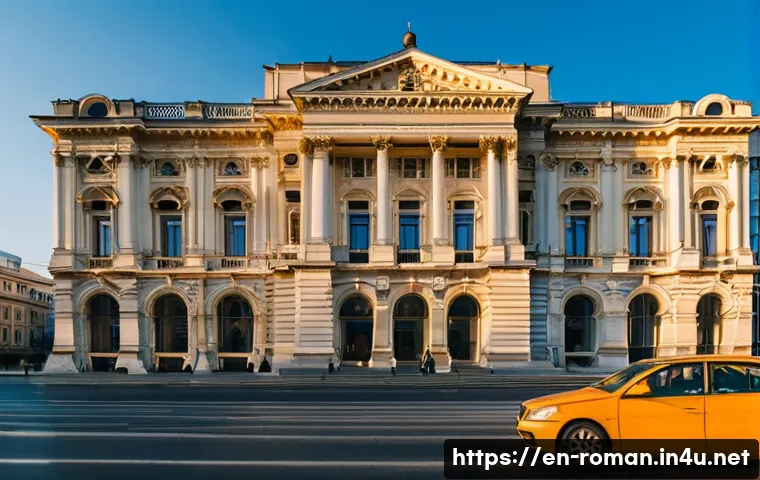
Hey there, fellow culture enthusiasts and curious travelers! If you’re anything like me, you’re always on the hunt for those incredible, often-overlooked gems that truly define a city’s soul.
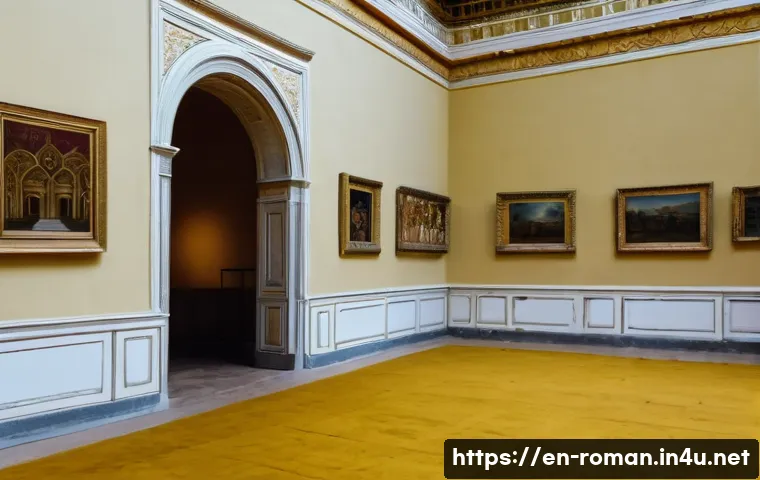
We all love the well-trodden paths, but there’s a unique thrill in uncovering a place that genuinely takes your breath away and deepens your understanding of a destination.
That’s precisely the feeling I got, and honestly, still get every time I think about the National Museum of Art of Romania in Bucharest. It’s not just another museum; it’s a vibrant journey through centuries of artistic expression, a silent storyteller of a rich and complex history.
Trust me, it’s an absolute must-see for anyone wanting to truly connect with the heart of Romania. Whether you’re an art history buff or simply love exploring beautiful spaces, this place has something truly special waiting for you.
It’s truly one of those spots that enrich your travel narrative and makes you feel like you’ve stumbled upon a truly valuable secret in the bustling heart of an incredible city.
Let’s dive in deeper below and discover all its wonders!
Unveiling Bucharest’s Artistic Heartbeat: A Journey Through Time
Stepping into the National Museum of Art of Romania, nestled within the magnificent former Royal Palace, felt like unlocking a secret portal to centuries of Romanian creativity and history. I’ve been to countless museums around the globe, but there’s something genuinely captivating about this place. You can almost feel the whispers of royalty and artistic genius in its grand halls. It’s not just a collection of paintings and sculptures; it’s a living narrative, a profound testament to a nation’s soul expressed through its most beautiful forms. From the moment I walked through its imposing doors, I was struck by the sheer scale and exquisite detail of the building itself, a masterpiece before even encountering the art within. The experience is incredibly immersive, taking you from medieval religious art to vibrant modern expressions, each piece telling its own story and contributing to the larger tapestry of Romanian culture. It truly broadens your understanding of Eastern European art beyond what you might expect, offering a unique perspective that you won’t find just anywhere. The natural light filtering through the large windows, illuminating ancient icons and modern canvases alike, creates an atmosphere of serene contemplation, making it easy to lose track of time while wandering through its impressive galleries. This isn’t just a quick walk-through; it’s an invitation to linger, to reflect, and to genuinely connect with the artistic spirit of Romania.
The Royal Palace’s Storied Walls: More Than Just a Venue
Before even diving into the art, the building itself demands your attention. This isn’t some purpose-built modern gallery; it’s the former Royal Palace, and you can truly feel its history in every ornate ceiling and grand staircase. As I ascended the marble steps, I found myself imagining the balls, the political discussions, and the daily lives of Romania’s monarchs within these very walls. It adds an incredible layer of context to the art, knowing that many of these masterpieces were perhaps once admired by kings and queens, or at least collected during their reigns. The architectural details, from the intricate moldings to the colossal chandeliers, are works of art in themselves, subtly enhancing the visitor’s journey. What impressed me was how well the palace has been adapted to house the museum, maintaining its historical grandeur while providing a perfect backdrop for the diverse collections. It really brings home the idea that art and power have always been intertwined, especially in a country with such a rich and sometimes tumultuous past. I found myself frequently looking up, admiring the craftsmanship of the building as much as the art on display, which truly makes for a richer, more holistic cultural experience.
A Curated Tapestry: From Medieval to Modern Marvels
What truly sets this museum apart for me is the breadth of its collections. You literally travel through time. One moment, you’re gazing at solemn, gold-leafed icons from the medieval period, feeling the weight of religious devotion and ancient traditions. The next, you’re immersed in the vibrant colors and bold strokes of Romanian impressionists and modernists. It’s a remarkable transition that highlights the evolution of artistic expression within the country. I particularly loved the section dedicated to medieval Romanian art, with its incredible frescoes and wooden sculptures that transport you to a different era entirely. But then, to pivot and discover the works of artists like Theodor Aman, Nicolae Grigorescu, and Stefan Luchian, who brought European art movements to life with a distinctly Romanian flair, was truly inspiring. It really makes you appreciate the talent and resilience of Romanian artists throughout history, often creating beauty amidst challenging times. I found myself spending extra time in front of certain pieces, trying to decipher their stories and the societal contexts that shaped them. It’s a journey that reveals not just art, but the very soul of a nation, evolving and adapting through the centuries.
Exploring Romania’s Artistic Soul: My Favorite Sections
Walking through the various galleries, I felt a genuine sense of discovery. This museum isn’t just a static display; it’s an evolving conversation between past and present, tradition and innovation. I quickly gravitated towards the European Art Gallery, which, let’s be honest, is always a highlight for art lovers like me. To see works by El Greco, Rembrandt, and Monet right here in Bucharest was an unexpected delight and a testament to Romania’s historical connections with the wider European art scene. It’s truly world-class. But then, the Romanian Art Gallery, divided into the Old Romanian Art and the Modern Romanian Art sections, is where the museum truly shines, in my humble opinion. Here, you get an unparalleled insight into the local genius, discovering artists whose names might not be as globally recognized but whose contributions are immense and deeply moving. I remember being particularly struck by the emotional depth of some of the works, which often reflected the country’s turbulent history and enduring spirit. It feels like you’re uncovering hidden treasures, pieces that speak directly to the Romanian experience, offering a perspective you simply can’t get anywhere else.
The Allure of Old Romanian Art: Icons and Frescoes
The Old Romanian Art section, housed on the first floor of the historical wing, truly transports you back in time. It’s an almost spiritual experience, moving through rooms filled with exquisite icons, intricate frescoes salvaged from old churches, and early prints. I’ve always been fascinated by religious art, and the pieces here, many dating back to the 14th century, are simply breathtaking. The craftsmanship, the vibrant colors that have survived centuries, and the devout expressions on the faces of saints truly resonated with me. You can feel the weight of history and devotion in every brushstroke. It’s not just about the art itself; it’s about understanding the cultural and religious foundations that shaped Romanian society for hundreds of years. I spent a good amount of time admiring the detail in the wooden altarpieces and the sheer scale of some of the mural fragments. It’s a quiet, contemplative space, allowing you to truly immerse yourself in the rich tapestry of early Romanian artistic tradition. I felt a deep connection to the past, almost as if the artists themselves were speaking to me across the centuries through their enduring creations.
Modern Masters: Romanian Flair and European Echoes
Then, you transition into the Modern Romanian Art section, and it’s like stepping into a different world entirely – a world of bold innovation and national identity. This is where I truly felt the pulse of Romania’s artistic evolution. You’ll find incredible works by some of Romania’s most celebrated artists, like Nicolae Grigorescu, Ștefan Luchian, Theodor Pallady, and Gheorghe Petrașcu. Their styles, while often influenced by European movements like Impressionism and Post-Impressionism, always retain a distinct Romanian character. I loved seeing how they captured the landscapes, the people, and the everyday life of their time with such vividness and emotion. For instance, Grigorescu’s landscapes evoke a profound sense of tranquility and connection to nature, while Luchian’s portraits often convey a raw, human vulnerability that really stays with you. It’s fascinating to trace the development of their individual styles and how they contributed to shaping a modern Romanian artistic identity. This section felt incredibly vibrant and alive, a true celebration of creativity and a testament to the enduring power of art to reflect and shape a nation’s spirit. I found myself lingering, admiring the varied techniques and the powerful stories each canvas seemed to tell.
Beyond the Brushstrokes: The Palace’s Hidden Charms
What I quickly realized is that the National Museum of Art of Romania is more than just a place to see paintings; it’s an experience intertwined with the very fabric of Romanian history. While the art is, without a doubt, the main attraction, don’t overlook the intrinsic beauty and historical significance of the building itself. The sheer scale and opulence of the former Royal Palace are breathtaking. You walk through rooms that once hosted royal banquets and diplomatic receptions, and you can almost hear the echoes of past conversations. It truly adds an extra dimension to your visit, transforming it from a simple museum trip into a journey through time and grandeur. I particularly enjoyed peeking into the various architectural details and imagining the lives led within these walls. The combination of royal history and artistic masterpieces makes for a uniquely rich cultural experience that I personally found far more engaging than many other museums where the building is merely a container. It’s a reminder that sometimes, the frame is as compelling as the picture it holds, and here, both are magnificent. Trust me, take a moment to look up at the ceilings and appreciate the intricate carvings and decorations.
The Grandeur of the Throne Hall and Royal Apartments
While the focus is rightly on the art, a part of me always seeks out the history of the building itself, and the Royal Palace does not disappoint. The sheer grandeur of the former Throne Hall is something to behold. You can stand there and envision monarchs holding court, important decisions being made, and pivotal moments in Romanian history unfolding. It’s quite a powerful feeling. Although not all sections of the original palace are open to the public in their full original splendor, the museum has done a fantastic job of preserving the essence of its royal past within the public viewing areas. I particularly enjoyed seeing where elements of the royal living quarters subtly blend into the gallery spaces. It’s a constant reminder that these works of art weren’t always in a museum setting; they were sometimes part of private collections or displayed in similarly lavish environments. The historical resonance adds a layer of depth that truly enhances the entire visit, making it feel less like a formal institution and more like a privileged peek into a bygone era of Romanian royalty and artistry. It’s a very personal touch that I really appreciated.
Architectural Details to Marvel At
I’m a huge fan of architecture, and this museum gave me plenty to admire even beyond the artworks. From the moment you approach the building on Calea Victoriei, you’re greeted by its neoclassical magnificence. Inside, the attention to detail is simply stunning. I found myself captivated by the intricate ceiling frescoes, the polished marble floors, and the beautifully carved wooden doors. Each architectural element seems to tell its own story, contributing to the overall sense of majesty and history. It’s clear that no expense was spared in creating this royal residence, and that legacy of grandeur has been meticulously maintained by the museum. I often paused between viewing paintings to simply take in the surroundings, appreciating the way the natural light illuminates the ornate details or how the colors of the walls complement the art on display. It really elevates the entire experience, reminding you that you’re not just in a building, but within a historical landmark that has witnessed centuries of change. It’s a testament to the enduring beauty of classical design and the timeless appeal of exquisite craftsmanship.
Practical Tips for an Enriching Visit
Alright, so you’re convinced, right? You absolutely *have* to visit the National Museum of Art of Romania! But before you dash off, let me share a few practical tips I picked up that I think will make your visit even more enjoyable and stress-free. First off, wear comfortable shoes – this place is vast, and you’ll want to take your time exploring every nook and cranny. Seriously, I underestimated the sheer amount of walking I’d do, and my feet thanked me for choosing practicality over style that day! Secondly, consider going on a weekday morning right when they open. I found it to be less crowded, allowing for a more peaceful and contemplative experience, especially in the more popular galleries. You can truly take your time with each piece without feeling rushed or having to navigate through throngs of people. Also, don’t be afraid to utilize the museum’s resources. Check their website beforehand for any special exhibitions or events that might be happening. I always find that a little bit of planning goes a long way in maximizing any museum visit. They sometimes have guided tours too, which can offer deeper insights into the collections. Don’t forget to grab a small souvenir from the gift shop; it’s a great way to remember your experience and support the museum’s incredible work.
Navigating the Galleries with Ease
The museum is thoughtfully laid out, but with so much to see, it can feel a little overwhelming at first. My personal strategy, which I highly recommend, is to decide beforehand which sections you’re most interested in, especially if you’re on a tighter schedule. For me, the European and Modern Romanian art galleries were top priorities, so I made sure to dedicate ample time to those. However, don’t be so rigid that you miss out on serendipitous discoveries! Allow yourself to wander a bit, because some of the most memorable pieces might be found in unexpected corners. The museum provides maps, which are incredibly helpful, so grab one at the entrance. I also found that starting with the Old Romanian Art section and then moving chronologically through the Modern Romanian and European galleries gave a really nice, coherent flow to the entire visit, allowing me to appreciate the historical progression of art. And hey, if you need a break, there’s usually a small café or resting area where you can recharge with a coffee before diving back into the art world. It’s all about pacing yourself to truly soak in everything this magnificent institution has to offer.
Best Time to Visit and Ticket Information
To really get the most out of your visit, timing is key. From my experience, heading there earlier in the day, especially on a Tuesday or Wednesday morning, offers the most relaxed atmosphere. Weekends and national holidays can get quite busy, and while the energy is different, it can sometimes detract from the quiet contemplation that art museums are perfect for. As for tickets, they are quite reasonably priced, especially considering the incredible collections you get to see. You can usually purchase them directly at the entrance, but it’s always a good idea to check their official website for the most up-to-date pricing and any potential online booking options – sometimes you can save time by booking in advance, though I didn’t find it necessary on my visit. They also often have different ticket options, like combined tickets for permanent and temporary exhibitions, so check what suits your interest best. Don’t forget to inquire about any discounts if you’re a student or senior. Being prepared with this information means you can focus entirely on the art once you arrive, rather than worrying about logistics. It’s those little details that really smooth out the whole experience.
Why This Museum is a Must-Visit in Bucharest
Let’s be real, Bucharest has a ton to offer, from vibrant nightlife to stunning architecture, but the National Museum of Art of Romania truly stands out as a cultural cornerstone. If you’re looking to peel back the layers of this fascinating city and truly understand its artistic heritage, this is the place to do it. For me, it wasn’t just about ticking another museum off a list; it was a deeply enriching experience that connected me to the heart and soul of Romania. The juxtaposition of the grand royal setting with the incredible breadth of artistic expression, spanning centuries, creates an atmosphere that’s both awe-inspiring and intimately personal. I walked out feeling like I had not only seen beautiful art but had also gained a profound appreciation for Romanian history and culture, something you simply can’t get from reading a guidebook or scrolling through pictures online. It’s an essential stop for anyone who loves art, history, or simply wants to connect on a deeper level with the places they visit. I still find myself thinking about certain pieces I saw there, and that’s always a sign of a truly impactful visit. It’s truly a hidden gem, and I wholeheartedly encourage you to make it a priority.
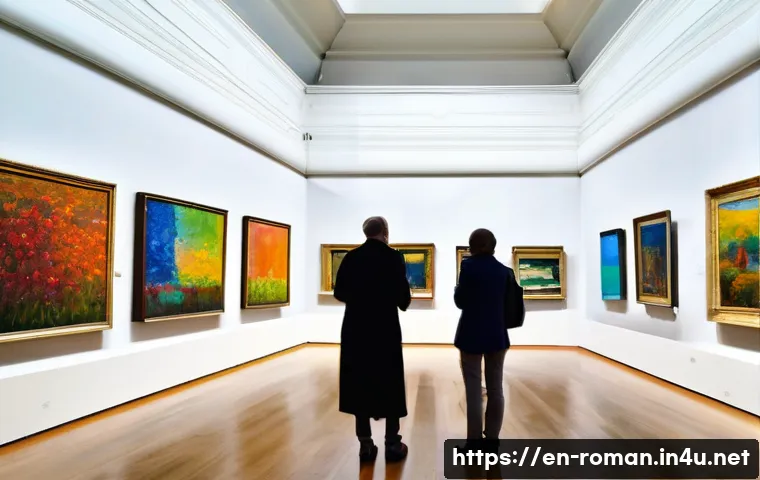
A Window into Romanian Identity
What I personally found most compelling about this museum is how clearly it articulates Romanian identity through its art. From the stoic figures in medieval iconography, reflecting a strong spiritual foundation, to the passionate landscapes and portraits of the modern era, capturing the nation’s evolving spirit, every piece tells a part of the story. It’s a dynamic and sometimes challenging narrative, but one that is consistently beautiful. I appreciated how the artists, even when influenced by broader European movements, always managed to infuse their work with a distinctively Romanian sensibility – whether through choice of subject matter, use of local motifs, or simply a particular emotional resonance. It’s an incredible way to understand the resilience, creativity, and unique perspective of the Romanian people. You don’t just see art; you see history, politics, social change, and personal struggles reflected on canvas and in sculpture. It’s a profound educational experience wrapped in artistic beauty, leaving you with a much richer understanding of the country than you might anticipate from a typical art museum. I felt like I truly got a glimpse into the very soul of Romania during my time there.
An Educational and Inspiring Experience
Beyond the sheer aesthetic pleasure, my visit to the National Museum of Art of Romania was incredibly educational and deeply inspiring. As an avid traveler and culture enthusiast, I’m always seeking out experiences that broaden my horizons, and this museum delivered in spades. The carefully curated collections, the historical context provided by the palace setting, and the sheer volume of masterpieces meant that I learned something new around every corner. It’s a fantastic resource for anyone interested in art history, European culture, or simply understanding Romania beyond the surface level. I walked away not only with beautiful images imprinted in my mind but also with a much clearer understanding of the country’s artistic trajectory and its place within the wider European narrative. The experience left me feeling uplifted and creatively charged, proving once again that art has a powerful way of connecting us to different cultures and periods. It’s truly one of those places that leaves a lasting impression, prompting you to continue your own explorations and perhaps even inspire your own creative endeavors. It’s a truly enriching journey for the mind and the spirit.
Planning Your Visit: Essential Details at a Glance
To help you map out your perfect day at this incredible institution, I’ve put together a quick reference guide based on my own experience. Knowing these little details beforehand can really make a difference, smoothing out any potential hiccups and letting you focus entirely on the art. From entry fees to the best ways to get there, having this information at your fingertips means you can stroll in feeling confident and ready to explore. I always find that a well-planned visit is a more relaxed and enjoyable one, especially when you’re dealing with a large and historically significant venue like this. While things can always change, this table should give you a solid foundation for your own amazing journey through Romania’s artistic heritage. Remember, flexibility is key, but a little preparation goes a long way in ensuring you get the most out of every minute spent within these hallowed halls. Don’t stress too much about memorizing every detail; just use this as a quick reference to make your arrival and exploration as seamless as possible. Happy exploring!
| Aspect | Details (Approximate – Always Check Official Website) |
|---|---|
| Location | Calea Victoriei 49-53, Bucharest, Romania (Former Royal Palace) |
| Opening Hours | Wednesday – Sunday: 10:00 AM – 6:00 PM (Last entry 5:00 PM) Closed: Monday, Tuesday, and official holidays |
| Ticket Price | General Admission: Around 20-30 RON (Separate tickets for European and Romanian Art sections or combined) Discounts for students, seniors, and children (ID required) Free on certain days (check website for current policy) |
| Main Collections | European Art Gallery (international masters) Old Romanian Art Gallery (medieval icons, frescoes) Modern Romanian Art Gallery (19th-20th century Romanian painters/sculptors) |
| Estimated Visit Time | 2-4 hours, depending on your interest level and pace |
| Facilities | Gift shop, cloakroom, restrooms, sometimes a small café |
| Accessibility | Generally accessible with elevators, but some older sections might have limitations |
| Photography | Usually permitted for personal use without flash (always confirm upon entry) |
Getting There: My Personal Route & Recommendations
Navigating Bucharest can be an adventure in itself, but reaching the National Museum of Art is thankfully quite straightforward. Located right on Calea Victoriei, one of the city’s most iconic avenues, it’s very accessible. I personally prefer walking along Calea Victoriei if the weather is nice, as it’s a beautiful stroll past many other significant landmarks. You can really soak in the city’s atmosphere this way. If walking isn’t an option, or if you’re coming from further afield, the metro is an excellent choice. The closest metro station is Universitate (M2 line), which is just a short walk away. You’ll pop out right into the heart of the city and can easily find your way. Trams and buses also have stops conveniently located nearby, so you have plenty of public transport options. For those who prefer taxis or ride-sharing apps, they are readily available and can drop you directly at the museum’s entrance. My advice? Plan your route using Google Maps or a local transport app beforehand, especially during peak hours, to ensure a smooth journey. It takes away any stress and allows you to arrive refreshed and ready to immerse yourself in art and history. Don’t let transport worries deter you from this incredible experience!
Making the Most of Your Time: A Few Insider Insights
Based on my own delightful wanderings through the museum, I have a few extra tidbits that I think might enhance your visit. Firstly, don’t rush! It’s tempting to try and see everything, but you’ll appreciate the art much more if you allow yourself to linger in front of pieces that truly speak to you. Quality over quantity, right? Secondly, while there’s a good amount of information provided in English next to the artworks, consider bringing your own headphones for an audio guide if they offer one – sometimes hearing the stories and context can really bring the art to life in a different way. I always find that a good audio guide adds so much depth. Thirdly, don’t forget to look out for the temporary exhibitions they often host. These can be incredibly insightful, focusing on specific artists, periods, or themes, and offer a fresh perspective beyond the permanent collection. Checking their website for these special showings is always a good idea before you go. Finally, consider combining your museum visit with a walk around the surrounding area. Calea Victoriei itself is a treasure trove of architecture and history, perfect for extending your cultural exploration of Bucharest. It’s all about creating a holistic and memorable experience that leaves you feeling truly connected to the city.
글을 마치며
This journey through the National Museum of Art of Romania has been nothing short of transformative for me. It’s not often you encounter a place where history, royalty, and artistic brilliance converge so seamlessly, each enhancing the other. Walking out, I felt a profound sense of connection to Bucharest and a much deeper understanding of the Romanian spirit, forged through centuries of creativity and resilience. It’s genuinely one of those rare cultural experiences that sticks with you long after you’ve left the grand halls, whispering tales of a rich past and inspiring a renewed appreciation for human expression. Truly, a visit here isn’t just seeing art; it’s feeling the heartbeat of a nation and gaining a perspective you won’t find anywhere else. I absolutely recommend making this a cornerstone of your Bucharest adventure to truly appreciate the depth and beauty of Romanian culture.
알아두면 쓸모 있는 정보
1. Consider purchasing a Bucharest Card if you plan to visit multiple attractions. It often includes museum entry and public transport, saving you a few lei and the hassle of individual tickets, which I’ve found incredibly useful on my travels.
2. While photography is generally allowed without flash, always double-check for any specific restrictions in temporary exhibition areas. Respect the art and other visitors by keeping flash off and noise to a minimum – it makes for a much more serene experience for everyone.
3. The museum is located in a vibrant area of the city, so after your visit, take some time to explore Calea Victoriei further. You could perhaps grab a delicious traditional Romanian meal at a nearby restaurant or enjoy a relaxing coffee at one of the charming cafes, truly soaking in the local atmosphere.
4. Always check the museum’s official website for any special events, late-night openings, or free admission days. Sometimes they host unique programs or temporary exhibitions that can greatly enhance your visit experience, offering fresh perspectives on their incredible collections.
5. Don’t feel pressured to see absolutely everything in one go. If time allows, consider focusing on a specific collection or planning a return visit. I’ve learned it’s far better to deeply appreciate a few sections and let the art truly resonate with you than to rush through all of them just to say you did.
중요 사항 정리
The National Museum of Art of Romania stands out as an absolutely essential stop for anyone wanting to immerse themselves in Romania’s rich artistic and historical legacy. Housed within the stunning former Royal Palace, it offers a unique and captivating blend of grand architecture and diverse collections, spanning from profound medieval religious art to vibrant modern masterpieces. You can expect a deeply engaging journey through both broad European and, most importantly, uniquely Romanian artistic expressions, providing unparalleled insight into the nation’s cultural soul and its historical evolution. I can’t stress this enough: wear comfortable shoes, allow ample time to truly savor the experience, and let yourself be swept away by the stories each brushstroke and sculpture has to tell. It’s a truly enriching encounter that will stay with you long after you’ve left Bucharest.
Frequently Asked Questions (FAQ) 📖
Q: I’m curious, what truly sets the National Museum of
A: rt of Romania apart from other major European museums? A1: Oh, that’s a fantastic question and one I get a lot! What truly blew me away about the National Museum of Art of Romania isn’t just its incredible collections, but the way it beautifully intertwines art with a sense of place and history.
You see, it’s not just a gallery; it’s housed within the former Royal Palace, a stunning neoclassical building that adds an extra layer of grandeur and historical charm to your visit.
Stepping inside, you’re not only surrounded by breathtaking art but also by the echoes of Romania’s monarchy, which I personally found incredibly captivating.
Unlike some museums that solely focus on international works, this one offers an incredibly comprehensive journey through both Romanian and European art, from the medieval period right up to modern times.
It gives you this unique, holistic perspective on Romania’s artistic evolution and its place within the broader European movements. I remember feeling like I was uncovering a secret history, a vibrant story told through canvases and sculptures that you just don’t find everywhere.
It truly makes it a unique cultural treasure.
Q: Okay, you’ve convinced me! What are your best tips for planning a smooth and truly enriching visit to the museum?
A: Wonderful! I’m so glad to hear that! To make your visit absolutely perfect, here are a few things I’ve learned from my own trips.
First off, timing is everything. While it’s open Wednesday to Sunday, I’ve found that visiting right when they open on a weekday (around 10 AM) is ideal to beat the crowds and enjoy the galleries in a more serene atmosphere.
They close on Mondays and Tuesdays, so definitely keep that in mind when you’re planning your Bucharest itinerary. As for how long to spend, honestly, it’s quite vast!
I’d recommend carving out at least three to six hours, or even a full day if you want to truly soak it all in. You don’t want to rush such an incredible experience.
A little personal hack: grab a combined ticket if you plan to see both the European and National Art Galleries – it’s often more economical. And here’s a brilliant tip: if your schedule allows, consider going on the first Wednesday of the month.
That’s often when they offer free entry, which is a lovely bonus! It’s super central, right on Calea Victoriei, so public transport is a breeze, or if you’re exploring the Old Town, it’s a pleasant walk away.
Just wear comfy shoes, trust me on that one!
Q: With so much to see, what are the absolute “can’t-miss” masterpieces or specific sections you’d recommend prioritizing, especially if I have a limited amount of time?
A: This is where it gets exciting! If you’re pressed for time, but still want to feel like you’ve truly experienced the essence of the museum, I’d say focus on these two magnificent wings.
First, you must dedicate a good chunk of your time to the Romanian National Art Gallery. This is where the soul of Romanian art truly shines, from stunning medieval pieces, including treasures rescued from monasteries, to the powerful works of modern Romanian masters like Nicolae Grigorescu, Ion Andreescu, and the groundbreaking Constantin Brâncuși.
Seeing their evolution from classical to modern styles is just breathtaking. You’ll feel a genuine connection to the country’s artistic spirit. Secondly, don’t miss the European Art Gallery.
Even if you’ve seen European art elsewhere, the collection here is surprisingly rich, featuring incredible works by legends like Rembrandt, Rubens, El Greco, and even a few Impressionist gems from Monet.
It’s a fantastic journey through Western European artistic movements. And a final tip from me: try to peek into the historical Throne Room and other royal quarters if they’re accessible.
It offers a unique glimpse into the palace’s past and adds a rich historical context to your art immersion. Each visit reveals something new, but these sections are truly the heart of the experience!