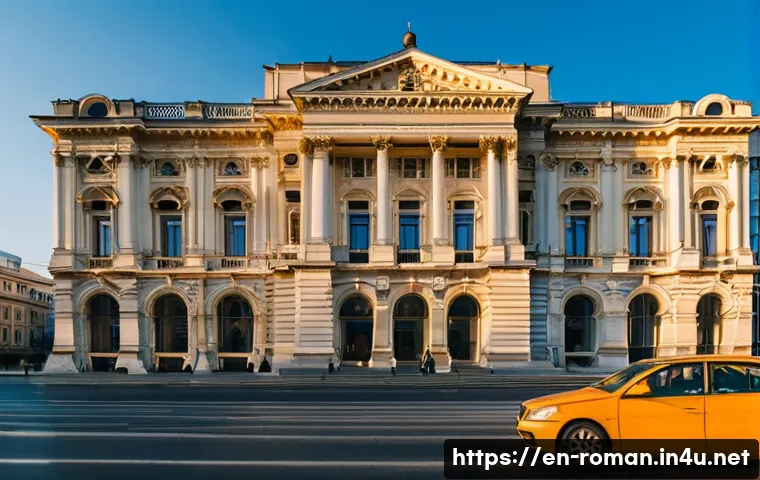
As Romania continues to welcome more tourists and expats eager to explore its rich culture and stunning landscapes, understanding local traffic laws has never been more important.
Recent updates to road regulations aim to improve safety but can catch newcomers off guard if they’re not prepared. Whether you’re renting a car or planning a long-term stay, knowing the ins and outs of Romanian driving rules will save you from fines and stress.
In this guide, I’ll share firsthand tips and essential insights that helped me navigate Romania’s roads confidently. Stick around to make your journey smoother and more enjoyable—because a little knowledge goes a long way behind the wheel here.
Getting Acquainted with Romanian Road Signs and Speed Limits
Understanding the Variety of Road Signs
Romania’s road signs can sometimes feel overwhelming, especially if you’re used to a different system. From the usual circular signs indicating prohibitions to triangular warning signs, each shape and color has a specific meaning.
What caught me off guard initially was the prevalence of “priority to the right” signs, which aren’t common in many countries. These dictate who yields when approaching intersections without traffic lights, and ignoring them can quickly lead to accidents or fines.
It’s crucial to familiarize yourself with these signs before hitting the road. Taking a few minutes to study the official guide or using apps with visual references helped me gain confidence in spotting and interpreting these signs on the fly.
Speed Limits in Different Areas
Speed limits in Romania vary depending on the type of road and vehicle category. In urban areas, the general speed limit is 50 km/h, but watch out for zones with stricter limits, especially near schools or construction sites.
On national roads, the limit rises to 90 km/h, while highways allow up to 130 km/h for cars. However, these limits can change based on weather conditions or temporary restrictions, so always keep an eye on posted signs.
I remember driving on a foggy morning where the usual 130 km/h limit was reduced to 100 km/h, and sticking to this made a huge difference in staying safe.
Common Speed Limit Exceptions
Some vehicles, such as trucks or buses, have lower speed limits, and these are strictly enforced in Romania. Additionally, speed cameras and radars are widespread, often placed in less obvious spots, which means it’s easy to get caught if you’re not careful.
My advice is to use a GPS or a local navigation app that alerts you about speed cameras ahead—it saved me a hefty fine once. Also, during winter, speed limits may be lowered on certain roads to account for icy conditions, so plan accordingly if you’re driving in colder months.
Mastering Right-of-Way Rules to Avoid Confusion
Priority to the Right Rule
One of the trickiest aspects for newcomers is the “priority to the right” rule, which means that when you approach an intersection without signs or signals, you must yield to vehicles coming from your right.
This contrasts with many countries where the vehicle on the main road always has priority. In my first week driving in Bucharest, I nearly caused a mishap by assuming my path was clear, only to realize a car from the right had priority.
It’s a classic example of how ingrained habits can lead to mistakes, so consciously reminding yourself of this rule is essential.
Roundabout Etiquette
Roundabouts are increasingly common in Romanian cities, designed to improve traffic flow. The key rule here is to give way to vehicles already circulating inside the roundabout.
However, I noticed that not everyone strictly follows this, which sometimes results in hesitation and sudden stops. It’s best to enter the roundabout only when there’s a safe gap and signal your exit clearly to avoid confusion.
Practicing this a few times in less busy areas can build your confidence before tackling more complex intersections.
Pedestrian Crossings and Stop Lines
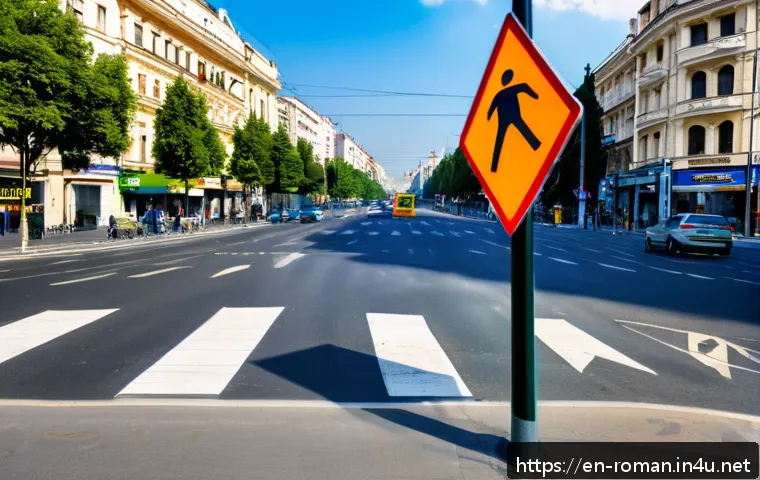
Romania places significant emphasis on pedestrian safety, so drivers must always yield at pedestrian crossings. One tip I found helpful is to slow down as you approach any marked crosswalk, even if you don’t see pedestrians immediately.
Additionally, stop lines at traffic lights and intersections are strictly enforced, and stopping beyond them can result in fines. Staying alert and maintaining a safe distance helps ensure you don’t accidentally cross these lines or miss pedestrians stepping onto the road.
Essential Safety Gear and Vehicle Requirements
Mandatory Equipment You Must Carry
Romanian law requires every vehicle to carry specific safety equipment at all times. This includes a reflective vest, a warning triangle, a first aid kit, and a fire extinguisher.
When I first rented a car, I made sure to check that all these items were present and in good condition, as authorities can stop you for a roadside check.
Having these tools not only keeps you compliant but also prepared in case of emergencies, such as breakdowns or minor accidents.
Winter Tires and Seasonal Preparedness
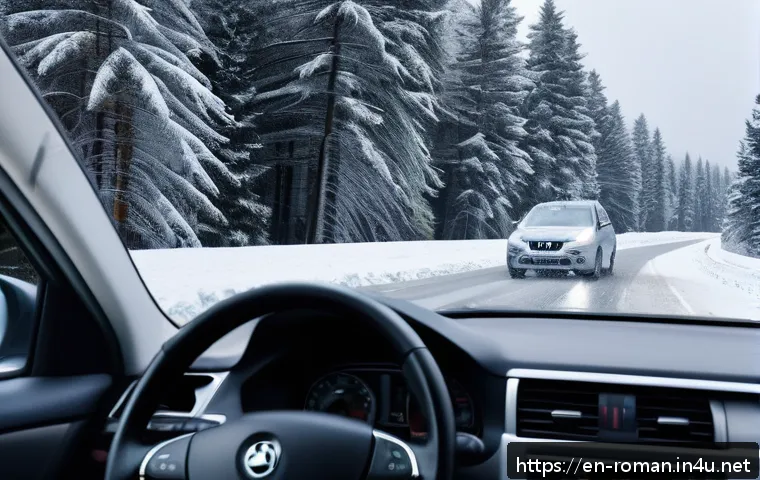
Winter conditions in Romania can be harsh, especially in mountainous regions. From November to March, using winter tires is strongly recommended—and mandatory on certain routes.
I once drove through the Carpathians in early December, and the difference between all-season and winter tires was night and day. If you plan to travel during colder months, make sure your vehicle is equipped accordingly to avoid fines and, more importantly, dangerous situations on icy roads.
Technical Vehicle Inspection and Documentation
Before driving, it’s essential to verify that your vehicle’s technical inspection (ITP) is up to date. Romanian authorities regularly conduct roadside checks, and missing or expired inspection certificates can lead to hefty penalties.
Also, always carry your driver’s license, vehicle registration, and proof of insurance. I keep a dedicated folder in my glove compartment to avoid fumbling when asked for documents, which made interactions with police much smoother.
Parking Rules and Avoiding Common Pitfalls
Recognizing Legal Parking Zones
Finding a parking spot in busy Romanian cities can be challenging, and the rules might differ from what you’re used to. Pay close attention to signage indicating permitted parking areas and restrictions.
In many urban centers, parking is regulated by zones, with blue zones requiring payment and white zones allowing free parking for limited times. I learned the hard way that parking in a no-parking zone can result in fines or even towing, so double-check before leaving your car.
Parking Payment Methods and Tips
In paid parking zones, payment can usually be made via SMS, parking meters, or mobile apps. I found using a local parking app to be the most convenient, as it allows you to extend your parking time remotely and avoids the hassle of finding coins for meters.
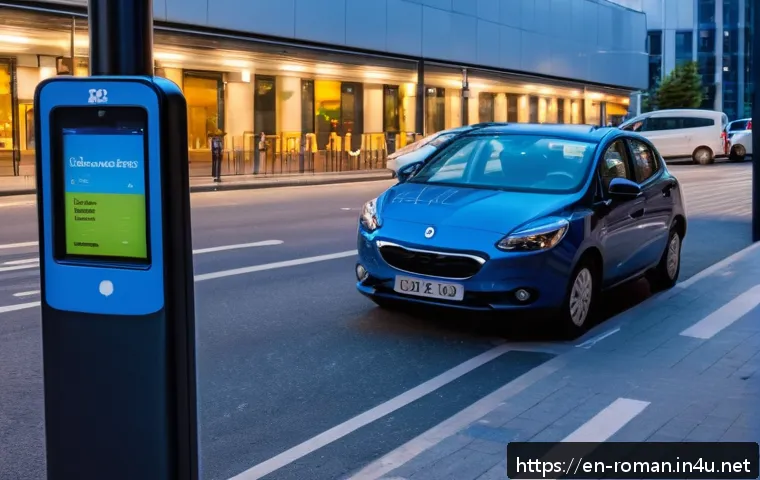
Also, keep the parking ticket visible on your dashboard if you pay at a machine. These small steps can save you from frustrating fines and make your city explorations more enjoyable.
Parking for Long-Term Stays
If you’re staying in Romania for an extended period, consider renting a private parking space or subscribing to a monthly parking permit, especially in crowded neighborhoods.
Public parking can be expensive and scarce, so securing a dedicated spot can save you time and stress. I arranged a monthly permit near my apartment, which proved to be a worthwhile investment given the convenience it provided.
Rules for Using Public Transport and Shared Mobility
Interacting with Buses and Trams
In many Romanian cities, buses and trams share the road with cars, often stopping frequently. Drivers must yield to these public transport vehicles when they signal to merge or stop.
I noticed that being patient and attentive around these vehicles prevents accidents and helps maintain smooth traffic flow. Also, some cities have bus-only lanes during peak hours, so avoid driving in those lanes to steer clear of fines.
Using Ride-Sharing and E-Scooters
Ride-sharing apps like Bolt and Uber are popular and generally safe to use in Romania’s major cities. If you prefer e-scooters, you’ll find them scattered around urban areas, but be aware of local rules such as speed limits (usually around 25 km/h) and parking restrictions.
I tried e-scooters for short trips downtown and found them convenient, but it’s important to park them responsibly to avoid penalties and keep sidewalks clear for pedestrians.
Respecting Pedestrian and Bike Lanes
Romania is gradually improving infrastructure for pedestrians and cyclists, with dedicated lanes becoming more common. As a driver, it’s vital to respect these lanes and avoid parking or driving over them.
I once encountered a situation where a cyclist was forced off the bike lane because of a parked car, leading to a near miss. Staying mindful of these lanes contributes to a safer environment for everyone on the road.
Common Traffic Violations and How to Avoid Them
Speeding and Its Consequences
Speeding is a frequent cause of accidents and fines in Romania. I realized early on that sticking to speed limits isn’t just about avoiding tickets but about safety—roads can be narrow, and traffic unpredictable.
Speed cameras are strategically placed, and fines escalate quickly for repeated offenses. Using cruise control where possible and paying attention to changing speed limits helped me keep my driving smooth and penalty-free.
Driving Under the Influence Rules
Romania enforces strict laws against driving under the influence, with a zero-tolerance policy for blood alcohol content. Even a small amount can lead to severe penalties, including license suspension and fines.
When attending social events, I always arrange alternative transportation or designate a sober driver. This approach not only keeps me safe but aligns with local expectations and laws.
Use of Mobile Phones While Driving
Using a mobile phone without a hands-free system while driving is illegal and can result in fines. I found that setting my phone to “Do Not Disturb” mode while driving helps me avoid temptation and distractions.
If you need to use GPS or take calls, invest in a good phone mount and Bluetooth headset. Staying focused on the road is key to safe driving and compliance with Romanian traffic regulations.
| Traffic Rule | Common Penalty | Personal Tip |
|---|---|---|
| Speeding (urban areas) | Fine up to 1,450 RON | Use GPS alerts and cruise control |
| Not yielding to the right | Fine and possible accident risk | Always slow down and check right side at intersections |
| Parking in restricted zones | Fine and vehicle towing | Use parking apps and double-check signs |
| Driving without safety equipment | Fine and vehicle immobilization | Keep reflective vest and warning triangle in car |
| Using phone without hands-free | Fine and points deduction | Use Bluetooth headset or mount phone securely |
In Conclusion
Getting familiar with Romanian road signs, rules, and safety measures is essential for a smooth and safe driving experience. By understanding local speed limits, right-of-way customs, and vehicle requirements, you can avoid common pitfalls and enjoy your journey with confidence. Staying alert and respecting regulations not only keeps you safe but also shows respect for the local traffic culture.
Useful Information to Remember
1. Always carry mandatory safety equipment like a reflective vest and warning triangle to comply with Romanian law and be prepared for emergencies.
2. Use navigation apps that alert you to speed cameras and parking zones to avoid fines and stay informed on the go.
3. Remember the “priority to the right” rule at intersections without signs—it’s different from many countries and crucial to avoid accidents.
4. Winter tires are essential during colder months, especially in mountainous areas, to ensure safe driving on icy roads.
5. Be mindful of pedestrian crossings and bike lanes; yielding to pedestrians and respecting dedicated lanes supports safer roads for everyone.
Key Takeaways
Understanding and respecting Romania’s traffic rules is vital: speed limits vary by area and vehicle type, so always watch for posted signs and adjust accordingly. The “priority to the right” rule can be tricky, but mastering it helps prevent accidents. Carrying all required safety equipment and ensuring your vehicle’s inspection is current will keep you compliant and ready for roadside checks. Using parking apps and paying attention to local parking rules saves time and money. Lastly, avoiding distractions like using a phone without hands-free devices and never driving under the influence are non-negotiable for your safety and legal compliance.
Frequently Asked Questions (FAQ) 📖
Q: uestions about Driving in RomaniaQ1: What are the key differences in Romanian traffic laws compared to other European countries?
A: One of the biggest differences is Romania’s strict enforcement of speed limits, especially on national roads and highways. Unlike some countries where slight speeding is often overlooked, here even a small excess can lead to hefty fines.
Also, using a phone without a hands-free system while driving is illegal and heavily fined. Another important aspect is the requirement to carry a reflective vest and warning triangle in your vehicle at all times.
From my experience, being aware of these nuances upfront saved me from unexpected penalties and made driving less stressful.
Q: Are there any special rules for tourists renting cars in Romania?
A: Yes, tourists should know that Romanian rental companies often require an International Driving Permit (IDP) in addition to your home country license, especially if your license isn’t in Latin script.
Also, the local police might ask for proof of insurance (Green Card), so always keep these documents handy. Another tip is to check if your rental car is equipped with winter tires during the colder months; it’s mandatory from November to March.
When I rented a car, having all these documents organized and understanding local requirements helped me avoid unnecessary stops and fines.
Q: How can I stay safe and avoid common driving pitfalls in Romania?
A: Romanian roads can be challenging due to varied terrain and occasional roadworks. To stay safe, always follow posted speed limits and be extra cautious on mountain roads where sharp curves and sudden weather changes occur.
Watch out for aggressive local drivers who might overtake unpredictably. I found that driving defensively and planning routes ahead—using apps with real-time traffic updates—really helped me stay calm and avoid risky situations.
Also, never drive under the influence; Romania has zero tolerance for drunk driving, with severe penalties.